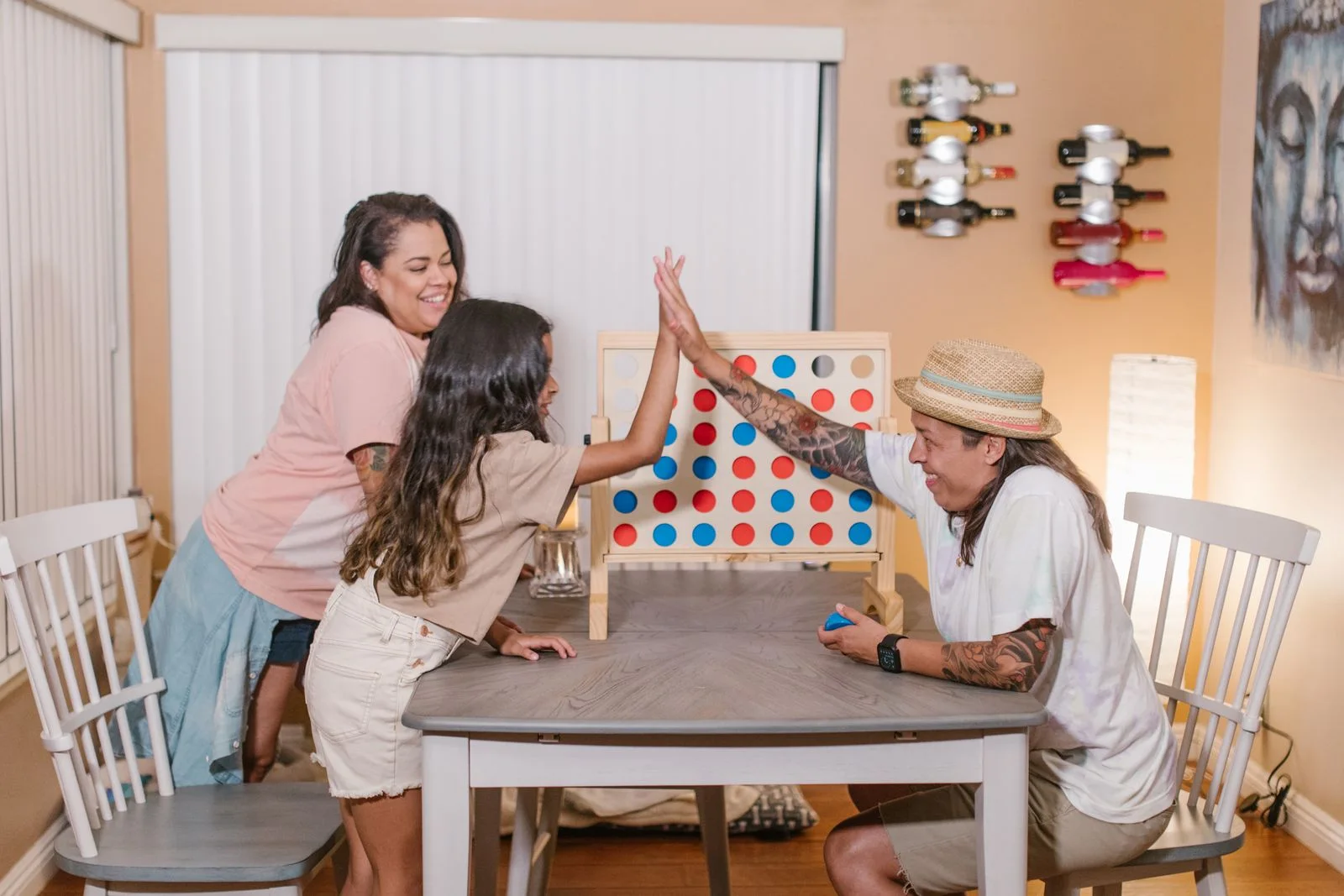
A table game can become difficult to join when the explanation covers every possible exception before anyone understands an ordinary turn. Start with the actual goal and one common example. This gives new players a concrete beginning while keeping the supplied instructions available for details. It is an explanation method, not permission to replace the chosen game's rules with an improvised version that later changes whenever the experienced player remembers another point.
Identify the actual set and rules
Use the instructions for the version present. A familiar title can appear across editions or variations, and remembered details from another copy may not apply unchanged. Keep the reference within easy reach.
Confirm that the people involved want to take part and understand the proposed activity. A casual gathering can allow someone to watch first or choose another role without turning participation into a test.
Give the goal before the inventory
Explain what players are trying to achieve in ordinary terms drawn from the actual rules. Then identify the components needed for the first meaningful action. A complete tour of every marker is hard to remember before its purpose appears.
Keep any private information treated as private under the game's actual arrangement. An explanation should help someone begin without accidentally revealing a hidden choice or changing the intended setup.
Demonstrate a common decision
Choose an example that shows an ordinary turn rather than the most unusual case. Explain the available choice and what follows. Keep the example visibly separate from actual play if it moves pieces or changes a temporary setup.
Invite a question about that step before adding another layer. A person who is unsure about the normal action will gain little from a long account of exceptions that depend on understanding it first.
Let learning continue during play
Agree how rule questions will be handled and consult the actual instructions when needed. Looking something up is ordinary use of the set, not evidence that the gathering has failed.
Do not choose a new player's move merely to keep the evening fast. Explain relevant available information appropriately and leave the decision with them. The aim is understandable participation rather than a flawless demonstration controlled by the most experienced person.
At the end, return any demonstration pieces and instructions to their proper group. A short note about what helped the explanation can support another session without becoming a new manual. A welcoming first game begins with a recognizable goal and an answerable next action, leaving the company free to enjoy the actual activity rather than proving how much detail they remembered before the first turn.
Related reading
Close a Small Project on a Shared Table, Keep Each Reader’s Place Clear in a Shared Book.
Our approach
Start with what you own, identify a real gap, then compare fit, materials, care and return terms before buying. Availability and prices can change. Read our editorial policy or send a correction.