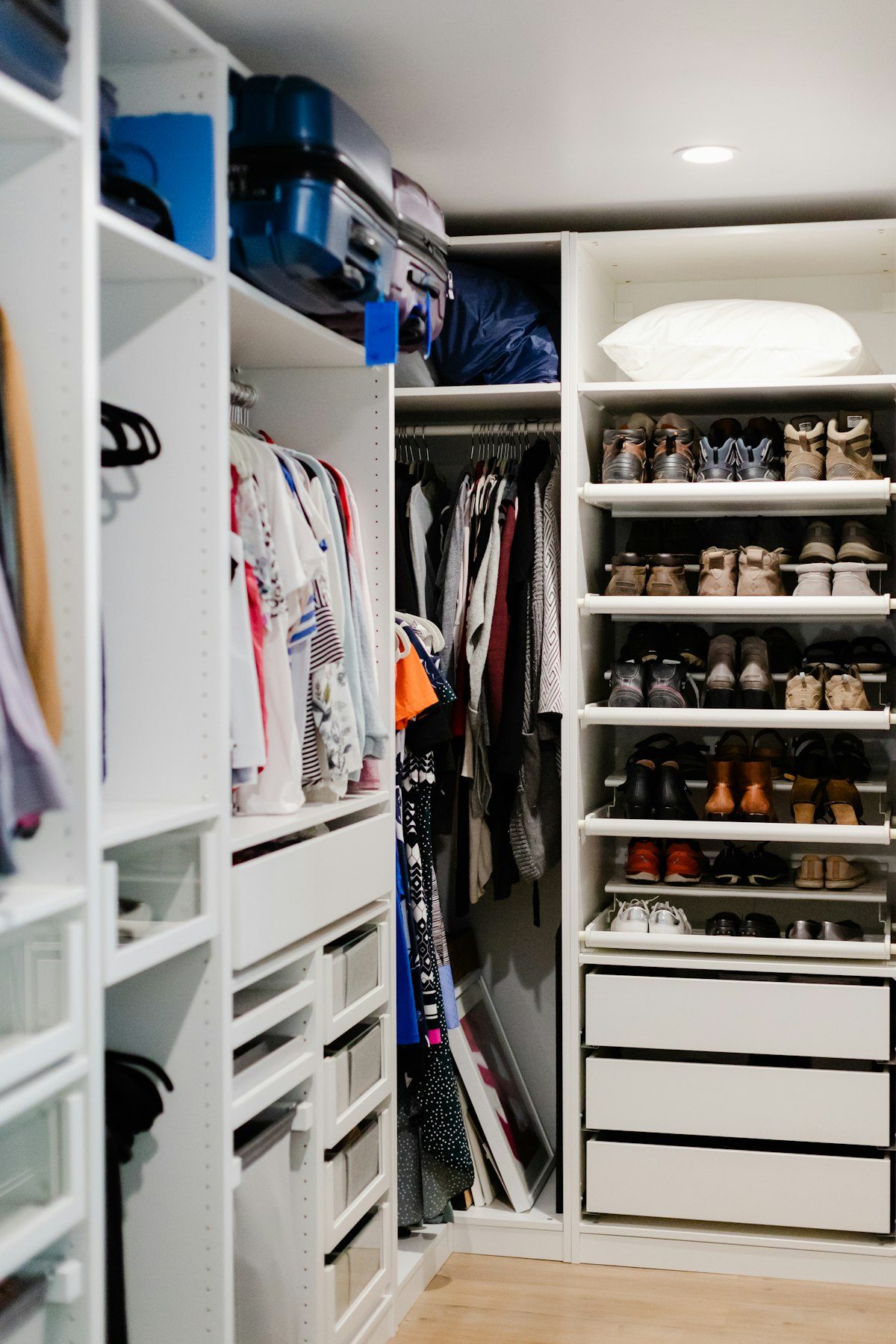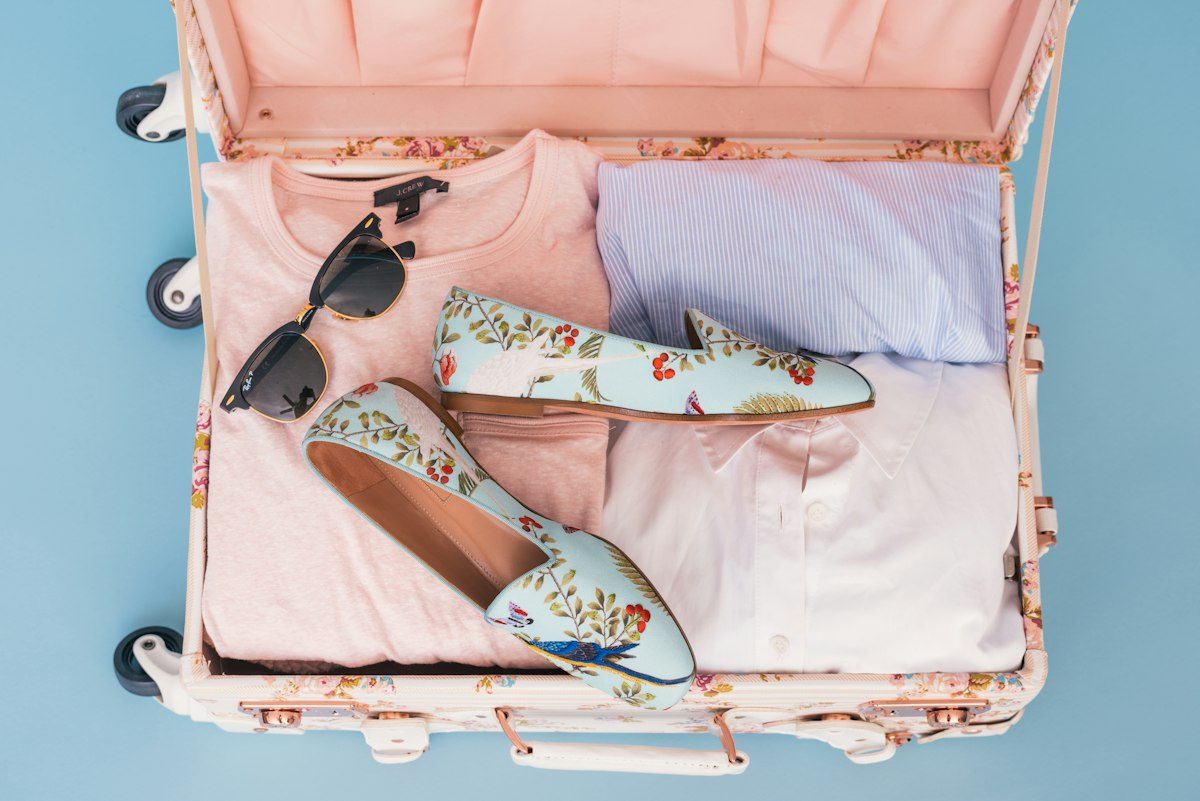
Two nights away can somehow produce enough clothes for a fortnight. The overflow usually begins with uncertainty: perhaps dinner will be smarter, perhaps the weather will change, perhaps those shoes will be useful. A better weekend bag starts with the actual plan. Write down the journey, the daytime activities and the evening arrangements, then dress those moments using pieces that can work more than once.
Build around one comfortable travel outfit
The clothes you wear on the journey are part of the weekend wardrobe, not separate from it. Choose a bottom, a top and a layer that suit sitting, walking and the likely temperature. Then ask which can appear again. Dark trousers worn on Friday might work for Saturday dinner with a different top, while the travel cardigan could become the layer for Sunday breakfast.
This approach works best when the clothes genuinely fit the destination. A walking weekend needs different footwear from a city wedding. Check the forecast shortly before departure, and read any event or venue dress information rather than guessing. If an activity requires a specialist item, give it space first and simplify the less demanding parts of the wardrobe around it.
Compare packing methods
| Method | Useful for | Tradeoff |
|---|---|---|
| One core colour palette | Mixing a few pieces easily | May feel repetitive if variety matters to you |
| Outfits packed together | A trip with specific planned events | Less flexibility when plans change |
| Separate packing pouches | Finding underwear or accessories quickly | Organisers take space too |
You can combine these methods. A small palette makes pieces interchangeable, while one pouch keeps small essentials from scattering. Organisers are useful when they solve a finding problem. They cannot make an unsuitable or overfilled bag easier to carry simply by dividing its contents into attractive rectangles.
Make the shoe decision early
Footwear often determines the size of the bag. Start with the pair suited to the most demanding activity and decide whether a second pair is truly required. A comfortable daytime shoe may also work for a relaxed restaurant. A formal invitation might justify dedicated shoes, but that does not automatically require several additional outfits.
Pack clean shoes separately from clothes using an appropriate bag or cover you already have. Check any weight or size restrictions for your transport provider before buying new luggage. A bag labelled weekend or cabin is not a universal guarantee of compliance. Measure the actual packed bag, including protruding handles or pockets where the carrier's rules require them.
Leave room for the return journey
Lay everything out before packing, including underwear, sleepwear, chargers and toiletries. The small items are easy to forget when attention stays on outfits. Remove one duplicated option wherever two things solve the same problem, then make space for worn clothes and anything you expect to bring home. A separate light pouch can be useful for sorting clean and worn garments without building a complicated system.
Compare packing organisers at MUJI if you need a dedicated pouch. Read the current dimensions, closure details and care instructions. Buy the smallest number that fits your bag and routine; the collection is a shopping starting point rather than a tested recommendation for every traveller.
Before closing the zip
- Name the outfit for each planned activity.
- Repeat suitable layers and bottoms rather than packing complete duplicates.
- Check the forecast and any venue dress requirements.
- Confirm transport limits and liquid rules where relevant.
- Keep travel essentials easy to reach without unpacking clothing.
Frequently asked questions
Should I roll everything?
Use the method that suits the fabric, bag and care label. Rolling may make some items easy to see, while folding can suit others. There is no need to impose one method on every garment.
What if the weather changes?
Choose a versatile layer and a realistic weather option based on the forecast. Packing an extra full wardrobe for every possible temperature usually creates more weight than useful flexibility.
Do I need new luggage?
Try the planned contents in the bag you already own first. If it fits, carries comfortably and meets the relevant limits, new luggage may add little. Shop only after identifying a concrete problem such as access, weight or inadequate capacity.
Our approach
Start with what you own, identify a real gap, then compare fit, materials, care and return terms before buying. Availability and prices can change. Read our editorial policy or send a correction.