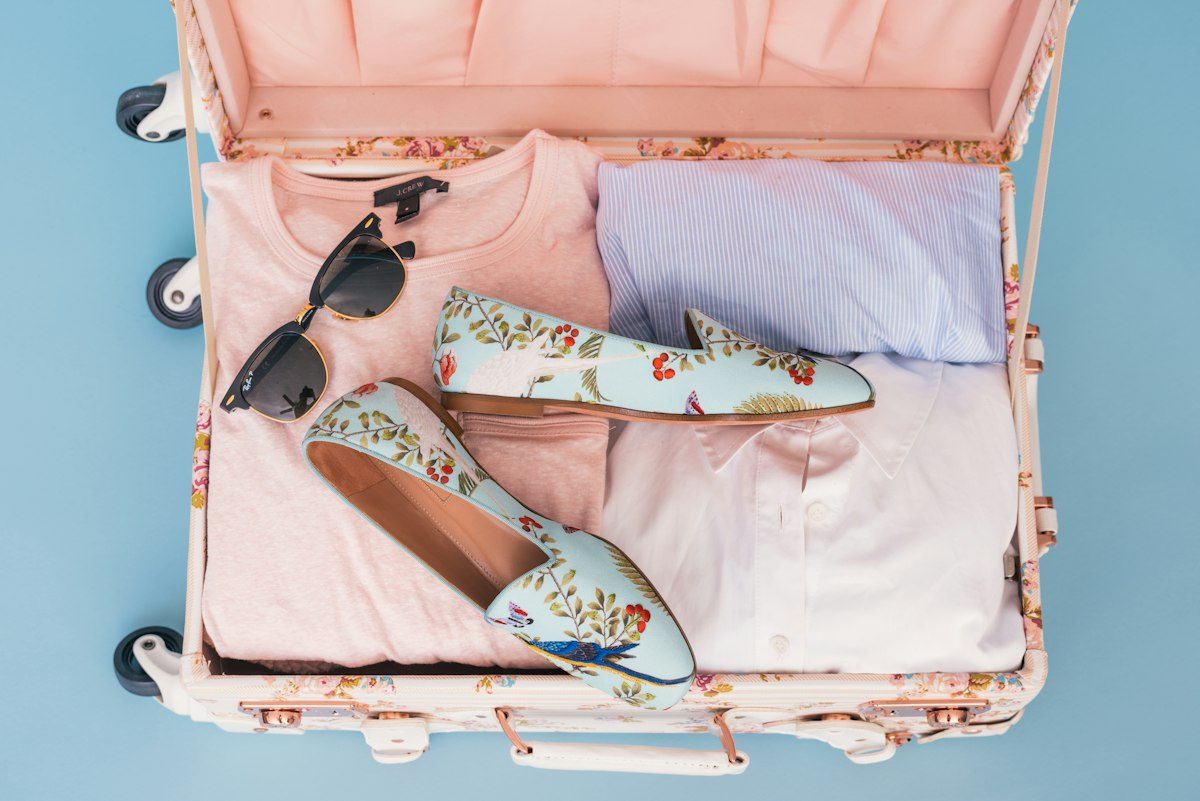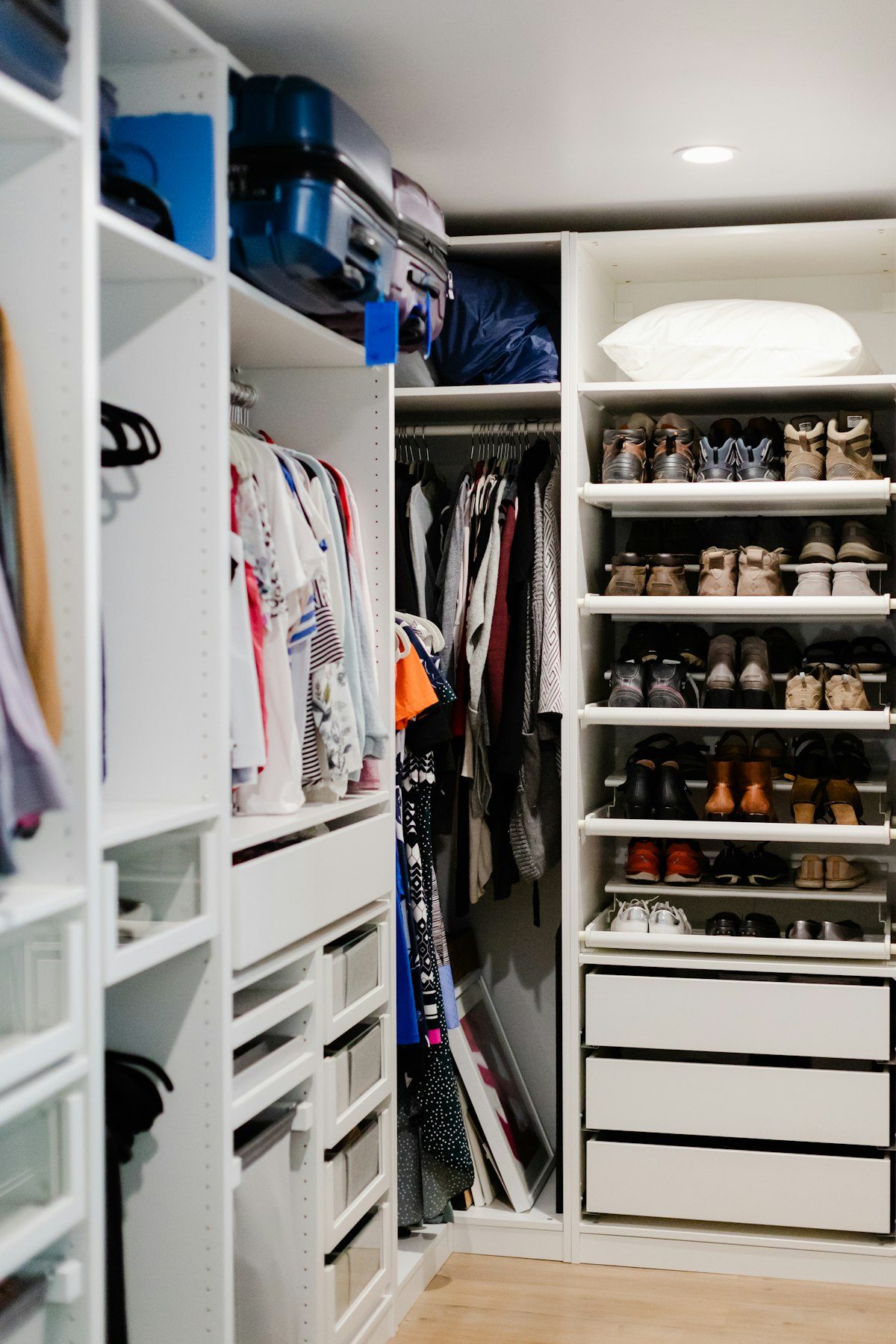
A wardrobe can be full while the same three outfits do all the work. The solution is not automatically matching boxes or a new rail. Begin by making clothes visible and reachable, one small area at a time. An organisation system is useful when it makes getting dressed easier on an ordinary morning, not only when it looks impressive with the doors open.
Choose one section you can finish
Start with a drawer, a short stretch of rail or the shelf holding your everyday knitwear. Emptying the entire wardrobe can turn a manageable task into a room you cannot use. Place the selected clothes where you can see them, and sort them into current wear, care or repair, and items you need to consider separately. Do not make a rushed disposal decision simply to finish quickly.
Try uncertain items if that helps you assess fit and comfort. A piece may be useful with a different layer or need a straightforward repair. Another may no longer suit your present life. Keep that distinction clear: buying new storage for garments you never intend to wear can preserve the same problem in a neater shape.
Arrange for the way you get dressed
| Arrangement | Useful scenario | Watch for |
|---|---|---|
| By garment type | Building outfits from separates | Favourite combinations may become separated |
| By ready outfit | Early mornings with little decision time | Some pieces belong in several combinations |
| By activity | Different work and weekend needs | Categories should reflect your actual week |
You can use garment type for the main rail and keep a few planned outfits together elsewhere. The point is to reduce searching. Place frequently used items where you can reach them comfortably, and follow garment care guidance when deciding what should hang or fold. Heavy or delicate pieces may need different support from a lightweight shirt.
Measure before choosing organisers
Measure the inside of the drawer or shelf, allowing for hinges, runners and the space needed to remove a box. Then measure the clothes as you intend to store them. A beautifully divided insert may waste space if each compartment is too narrow for the items you own. Cardboard boxes already at home can help you test a layout before buying a permanent version.
Check access as carefully as capacity. A stack of boxes can hold a great deal but discourage you from reaching the bottom one. Clear labels may be more useful than transparent sides when boxes sit above eye level. Open baskets improve visibility in some places, while covered storage may suit others; choose according to the location and the care needs of the contents.
Turn the reset into better shopping decisions
Once the section is organised, make a short list of genuine gaps. Perhaps the trousers you wear repeatedly need a suitable second top, or every belt has the wrong width for your favourite jeans. Specific gaps are easier to fill than a vague feeling that the wardrobe is missing something. Keep measurements, preferred cuts and useful colours with that list.
Compare clothes organisers in IKEA's official collection only after you know the space and task. Check product dimensions, assembly and care information. This is a starting point for browsing, not a claim that a particular insert fits your furniture or a tested ranking of storage products.
A sustainable weekly reset
- Return clean items to a clearly chosen place.
- Keep repairs in one visible location rather than losing them in the rail.
- Note outfits you enjoyed so they are easy to repeat.
- Remove packaging that makes drawers harder to use.
- Review one awkward section instead of reorganising everything again.
Frequently asked questions
Do I need matching hangers?
No. Consistency can look tidy, but appropriate support for the garment matters more. Replace a hanger when it causes a practical problem, rather than treating a complete matching set as the first requirement.
Should seasonal clothes go out of sight?
If space is limited, that may help. Store items clean and according to their care needs, and label the location so the next season does not become a search. Keep genuinely year-round layers accessible.
How do I avoid filling the cleared space immediately?
Use the gap list before shopping and give each purchase a planned role. Empty space is useful: it makes clothes easier to see and reduces the effort of putting things away.
Our approach
Start with what you own, identify a real gap, then compare fit, materials, care and return terms before buying. Availability and prices can change. Read our editorial policy or send a correction.