Expressing interest in a garment is not the same as arranging for it to be held. A friendly conversation can leave the buyer imagining a confirmed reservation while the seller has only acknowledged a question. Keep the status clear when considering a particular item. The useful record identifies what was requested and what was actually agreed, without assuming every shop offers the same service or that interest gives control over a piece still on the rail.
Identify the individual garment
Use the seller's reference where one exists, or a clear agreed description. Several similar jackets can share a colour and broad style. The actual item needs to be recognizable before the hold question can be answered.
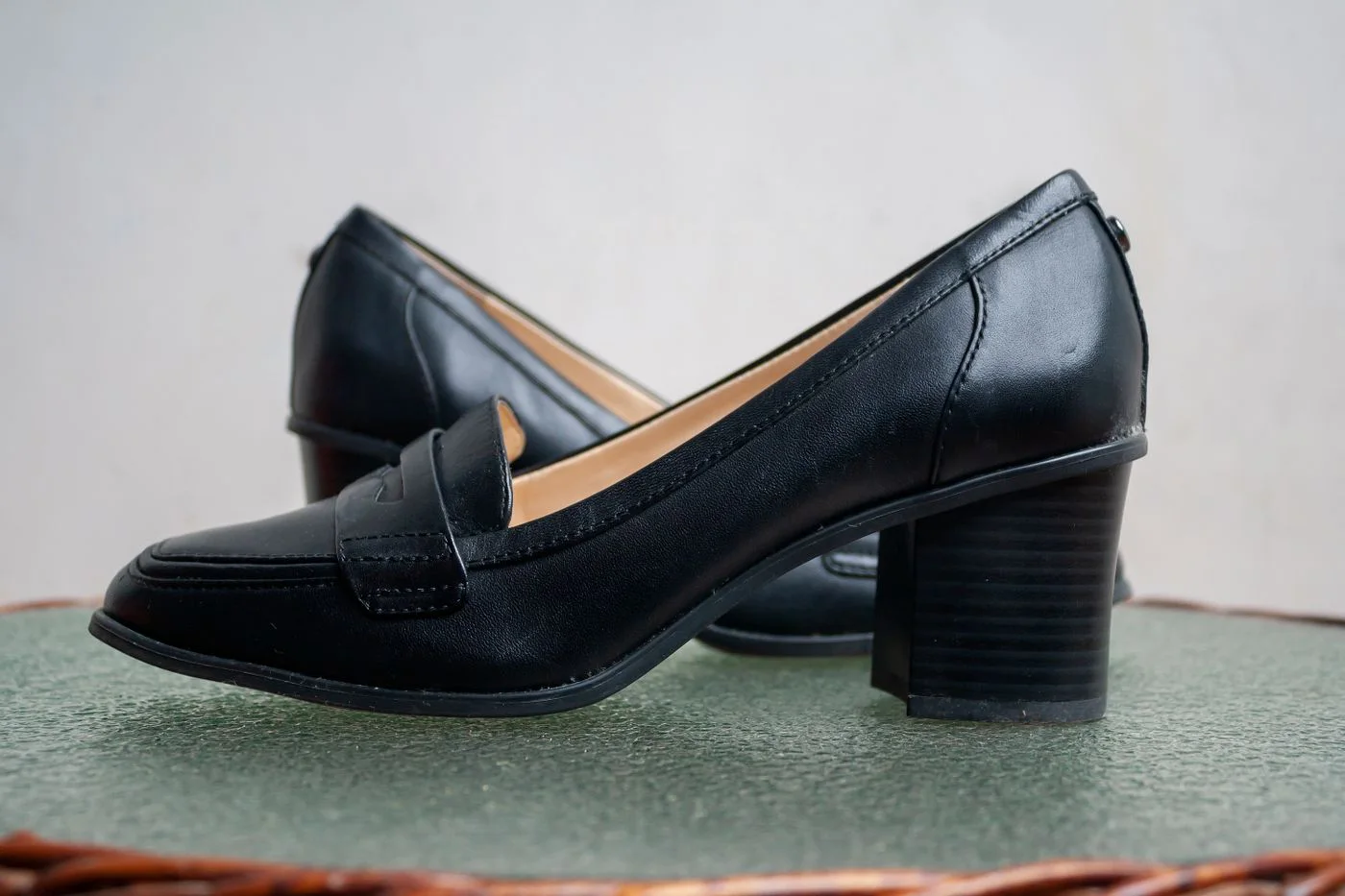
Ask before making a reference image where the shop's rules or staff guidance require it. A useful private photograph can support identification without including other shoppers or unrelated private information.
State the practical request plainly
Ask whether the seller can hold the specific piece and until what point. Keep that question separate from an agreement to purchase. Do not imply a service has been settled simply because another retailer offered something similar.
Read the actual response carefully. A reply that acknowledges the message may not confirm the requested arrangement. Where the status remains unclear, ask one short follow-up instead of supplying the hoped-for answer yourself.
Preserve the actual conditions
Keep the agreed time, contact route and any stated process together. Where another formal step is involved, use the seller's own clear information rather than treating the casual conversation as a complete explanation.
Do not describe the garment as already acquired in a shared wardrobe plan while its status remains uncertain. It can stay a candidate without becoming a settled addition everyone is now expected to make work.
Close the request deliberately
If the arrangement is confirmed, follow its actual terms. Tell the seller promptly through the agreed method if plans change. A hold can affect how an individual item is handled, so silence is not a clear way to withdraw interest.
If the piece becomes unavailable, treat a similar garment as a new candidate. Its condition and relevant details need their own consideration rather than inheriting the first item's answers automatically.
A small note about the actual status can prevent an unnecessary journey and an awkward assumption at the counter. Remove or close it when the arrangement ends. The useful distinction remains simple: a request begins a conversation, while only the seller's confirmed response establishes what will be waiting and for how long. That leaves the purchase decision understandable without turning a pleasant browsing exchange into a reservation nobody explicitly made.
Related reading
One Useful Garment Question before a Shop Visit, Secondhand Shopping With a Plan, Not a Pile of Maybe.
Our approach
Start with what you own, identify a real gap, then compare fit, materials, care and return terms before buying. Availability and prices can change. Read our editorial policy or send a correction.