Secondhand shopping can produce a distinctive wardrobe, but an appealing label or unusually low ticket can also encourage purchases that never get worn. A useful find needs to fit your body, routine and the clothes already at home. Begin with one role you want to fill, such as a roomy autumn jacket or a shirt for work. Keep curiosity, but give it a practical direction before opening endless listings.
Write a small search brief
List the garment, preferred measurements, useful colours and acceptable care requirements. Include the pieces it should work with: perhaps straight jeans, navy trousers and a particular coat. A brief does not eliminate unexpected discoveries; it helps distinguish a good surprise from an item that needs a completely different wardrobe around it. Save exploratory browsing for a separate, limited budget if that is part of the enjoyment.
Measure a similar garment that fits comfortably. For a shirt, note width across the chest, shoulder placement, length and sleeves. For trousers, record waist, rise and inseam where those measurements are available. Remember that seller measurement methods can differ. Ask how an important measurement was taken rather than assuming every listing uses the same convention.
Inspect condition with intended use in mind
Examine collars, cuffs, underarms, fastenings and hems in the photographs. Look for missing buttons, repairs, pilling, stains and areas of wear. A small mark may be acceptable on a gardening jacket and unacceptable on a blouse needed for formal meetings. Condition is not a single abstract grade; it matters in relation to the job you expect the garment to perform.
Request additional images through the platform's approved messaging system when a key detail is unclear. A photograph cannot establish odour, every aspect of fabric feel or authenticity for a valuable designer piece. Use the platform's stated protections and policies, and avoid treating a brand label as sufficient evidence. When uncertainty is too high for the amount at risk, move on.
| Check | Why it matters | Decision |
|---|---|---|
| Measurements | Labels vary across cuts and eras | Compare a garment you own |
| Condition photographs | Wear affects intended use | Request missing details |
| Total cost | Cleaning and repairs add up | Set a complete budget |
Calculate the whole purchase
Add shipping, likely cleaning, any alteration you can realistically arrange and applicable platform charges shown at checkout. A bargain that requires extensive tailoring may cost more than a better-fitting alternative. Avoid buying a garment several sizes away from what you need unless a qualified tailor has assessed the work. Optimistic alteration plans are an expensive way to store unfinished decisions.
Read return conditions before paying. Pre-owned marketplaces can have different policies for different items or sellers, and terms may change. Check deadlines and whether returns have fees. If an item is not returnable, require stronger measurement and condition evidence. Make uncertainty part of the budget rather than discovering it after the parcel arrives.
Choose where to browse
Browse women's pre-owned clothing at ThredUp as one established category destination. Inventory is made of changing individual items, so a useful listing may disappear. This guide does not verify the condition or authenticity of any particular item and does not claim a secondhand purchase always costs less. Compare the actual listing and current terms.
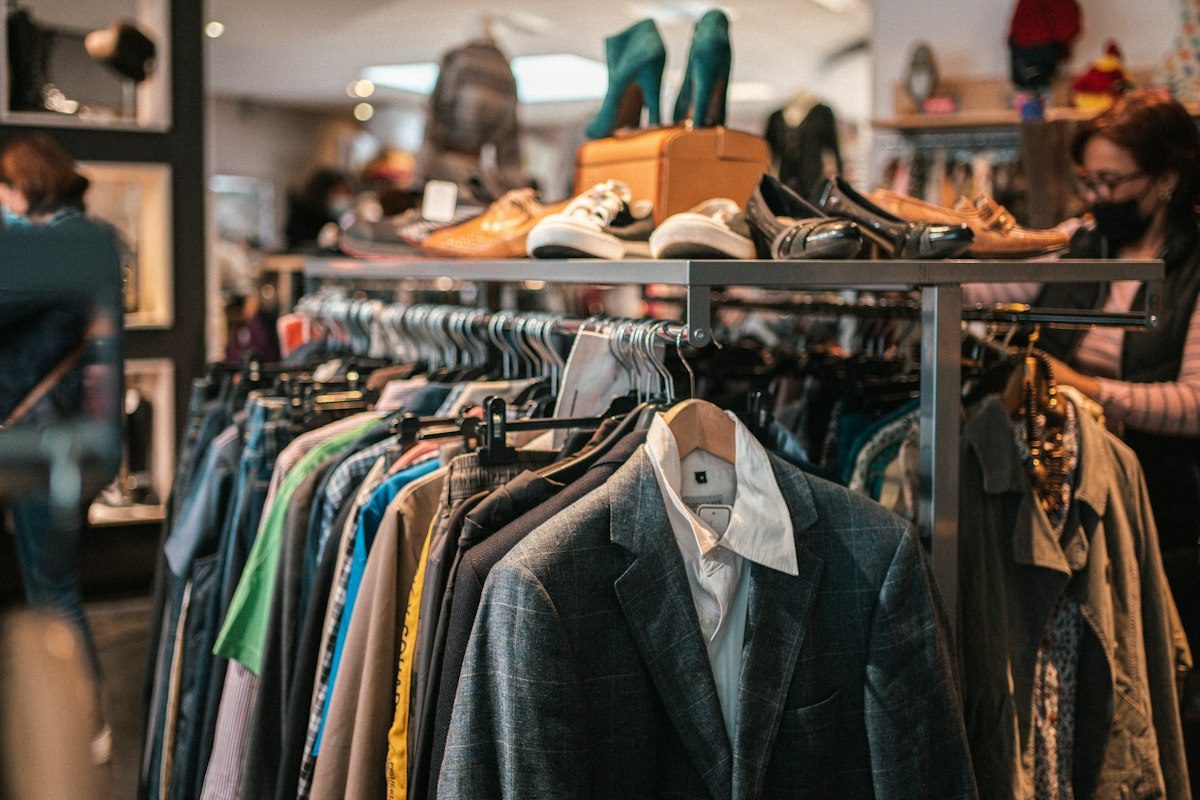
Local shops offer a different advantage: you may be able to feel fabric, inspect seams and try a garment before deciding. Their selection is limited to what is there that day. Online browsing offers wider search options but greater dependence on photographs and measurements. Choose the method that suits the item and your tolerance for uncertainty, rather than assuming one channel is always superior.
Make the first wear happen
When the item arrives, inspect it promptly within any reporting window. Follow the care label and suitable cleaning advice before wearing it. Put together one complete outfit immediately and note any repair that needs arranging. If you cannot identify when you will wear it, reconsider while return options remain available. A pre-owned garment becomes useful through wear, not through the satisfaction of finding it.
FAQ
Should I search by my usual size?
Use size as a broad filter, then compare measurements. Cuts, brands and older sizing conventions can differ substantially.
Is every small flaw worth accepting?
No. Assess the flaw against intended use, repair cost and your preferences. You are allowed to decline an interesting item that will create work you do not want.
Our approach
Start with what you own, identify a real gap, then compare fit, materials, care and return terms before buying. Availability and prices can change. Read our editorial policy or send a correction.