A blazer can look convincing while you stand still and become frustrating the moment you reach for a bag. Fit is not just the outline in the mirror; it includes how the jacket behaves at a desk, over your usual top and during the journey home. Before choosing a colour or deciding whether a cut is fashionable, identify what you need the jacket to do. Everyday tailoring should leave room for ordinary movement.
Bring the layer you expect to wear
A blazer tried over a sleeveless top may feel different over a shirt or autumn knit. Wear a representative layer when shopping or keep one ready for an online order. Button the jacket if you intend to wear it closed. Look for strain around the fastening and check whether the lapels lie as designed rather than lifting away from the chest.
Shoulder placement depends on the intended silhouette. A classic fitted jacket often places the seam near the shoulder, while a deliberately oversized cut may extend beyond it. Instead of treating one placement as universally correct, check whether the jacket hangs smoothly and lets you move. An oversized design should look intentional through the body and sleeves rather than simply like an accidental wrong size.
Move as you would on a real day
Reach forward, cross your arms gently and sit down. Some woven tailoring will feel less flexible than a cardigan, but you should not need to hold your arms in one careful position. Check the upper sleeves and back for restrictive pulling. If sizing up gives you excessive fabric everywhere else, try another cut rather than assuming you must accept either tightness or shapelessness.
Check sleeve length with your arms relaxed. Decide how much shirt cuff you want visible, if any, and whether sleeves interfere with your hands. A rolled sleeve may suit a casual jacket, but it should be a styling choice rather than the only way to tolerate the length. Functional cuff buttons can complicate alterations, so ask before relying on a quick adjustment.
| Fit point | Useful test | Possible response |
|---|---|---|
| Back and arms | Reach forward | Try more upper-body room |
| Fastening | Button over usual top | Compare a different cut |
| Sleeves | Relax arms, check hands | Price alterations first |
Choose length around your outfits
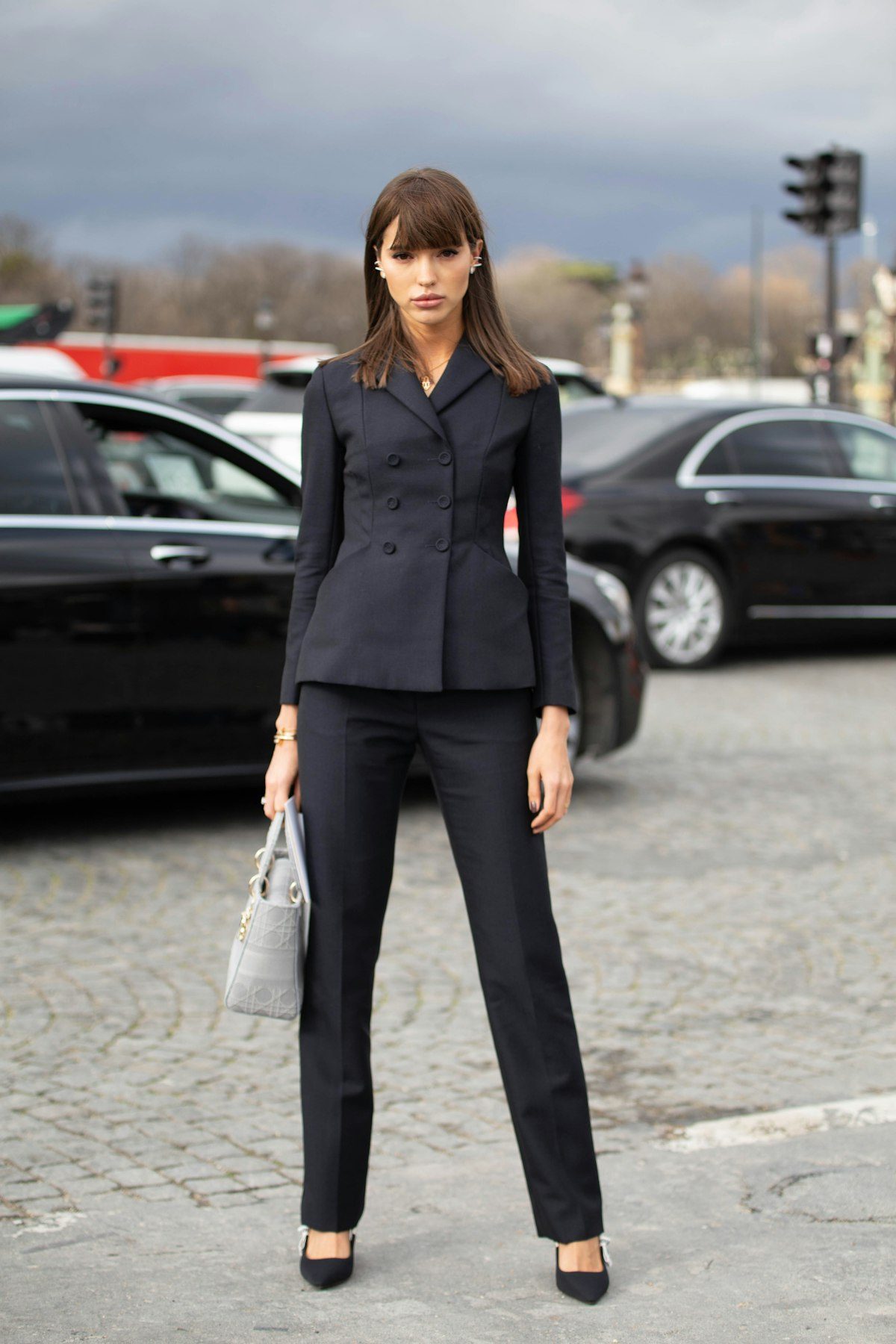
A longer blazer can sit comfortably over straight trousers or denim, while a shorter jacket may work with a high waistband or fuller skirt. These are visual options, not body rules. Try the jacket with the bottoms you wear most rather than deciding from the jacket alone. If it only looks right with an entirely new outfit, include that additional cost in the decision.
Think about pockets and closures. Patch pockets can give a relaxed character, while discreet pockets may feel more formal. Check whether pockets are functional before assuming they will hold a phone. Some new tailoring has temporary stitching; follow the retailer's guidance and keep return conditions in mind before removing anything.
Where paying more may help
Look at seam finish, lining comfort, button attachment and how the lapels sit. A higher price does not automatically guarantee better fit for your body. Equally, a low price is less useful if the jacket needs major alterations or care you will avoid. Divide the likely total cost by realistic use in your own mind, without inventing a precision that your future calendar cannot support.
Browse women's clothing at Nordstrom to compare available tailoring, then read the individual listing carefully. Check fibre content, lining, garment measurements and care. This guide offers fit questions rather than hands-on verdicts on particular jackets; current specifications and availability belong to the retailer.
The final home check
Try the blazer with two full outfits, your usual coat and a bag carried on your preferred shoulder. Sit at your desk for a few minutes. If you want to remove the jacket immediately because of pressure or scratchiness, take that information seriously. A useful blazer should support the version of your day that happens, including movement and layers.
FAQ
Should I size up for an oversized fit?
Not necessarily. A jacket designed with extra volume may preserve better sleeve and pocket proportions than simply increasing a fitted style.
Can tailoring fix every fit problem?
No. Some adjustments are straightforward; others are expensive or impractical. Ask a tailor about the specific garment before purchasing it as an alteration project.
Our approach
Start with what you own, identify a real gap, then compare fit, materials, care and return terms before buying. Availability and prices can change. Read our editorial policy or send a correction.