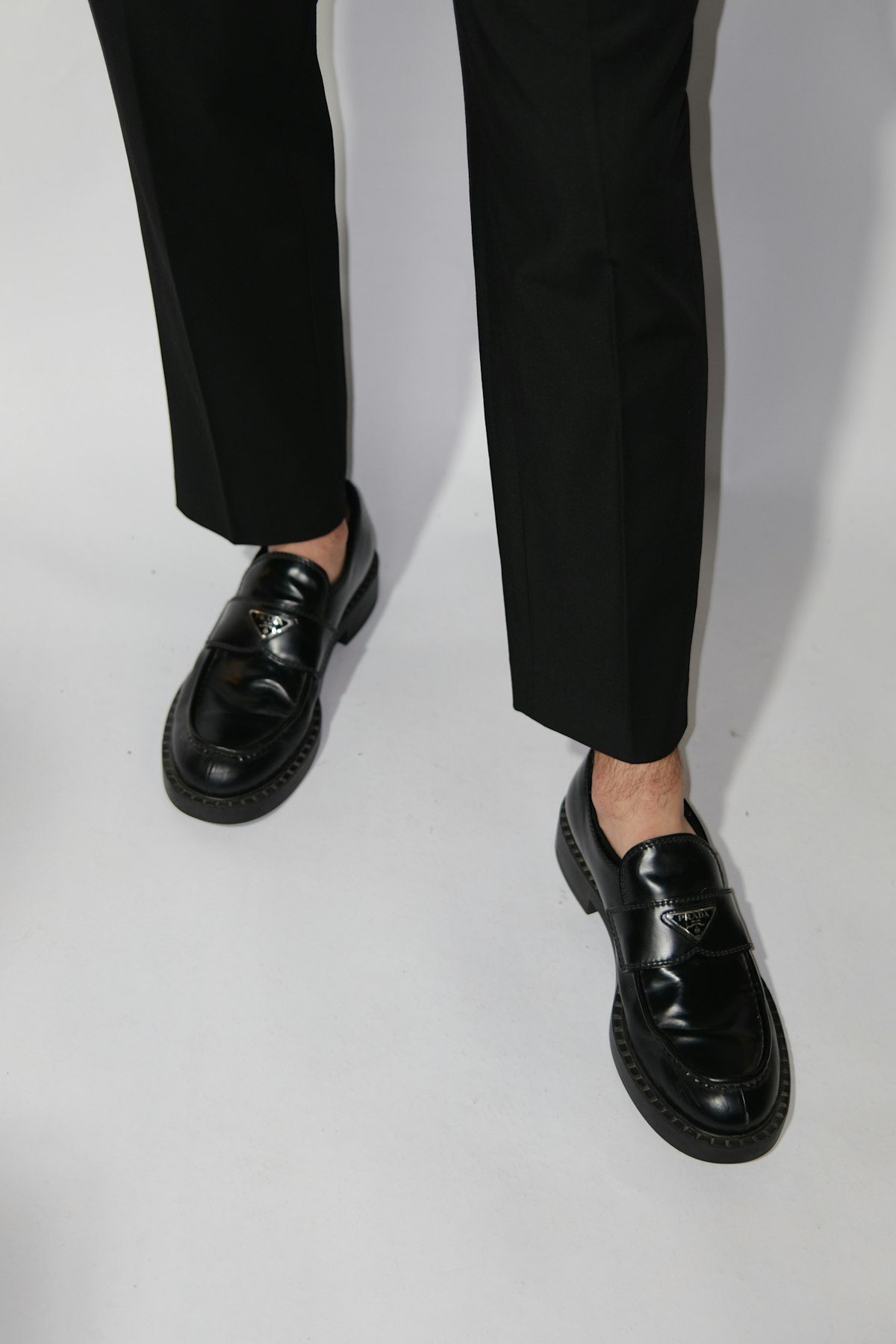
The shoes that look right beside your trousers may not be the shoes you want after a station staircase and a long supermarket queue. Everyday footwear deserves a shopping process based on movement. Start with your typical route, the surfaces you encounter and the socks you wear. Style still matters, but a pair that makes ordinary walking unpleasant is unlikely to become a useful wardrobe foundation.
Define the day before choosing the shoe
Write down where the shoes will go. A mostly seated office day with a short walk is different from a full day of sightseeing or standing. Think about wet pavements, uneven paths, stairs and how often you need to remove the shoes. A fastening that is easy to adjust may matter more than a fashionable silhouette when you are moving between several environments.
Try shoes with the socks or hosiery you expect to use. A thin fitting-room sock can hide the lack of space for your usual winter pair. Check both feet, because comfort may differ between them. There should be room to move your toes without feeling that your foot slides around uncontrollably. Fit advice on a particular retailer or brand page can help, but it cannot replace trying the shoes.
Walk, turn and notice pressure
Walk on the approved indoor surface and change direction. Pay attention to the heel, top of the foot and widest part of the forefoot. A slipping heel or concentrated pressure is useful information, not something to dismiss because shoes look good. Avoid relying on a vague promise that a painful pair will inevitably become comfortable after repeated wear.
Check how the shoe bends and how securely it stays on during a normal stride. Slip-on styles can be convenient, but may require a particularly compatible shape to avoid gripping with your toes. Laces or adjustable straps offer more control, though they take longer to fasten. These are practical tradeoffs, not a ranking of one shoe type above all others.
| Style | Potential advantage | Check carefully |
|---|---|---|
| Trainer | Adjustable fastening on many styles | Width and heel fit |
| Loafer | Easy dressing and tidy outline | Slipping and upper pressure |
| Ankle boot | Extra coverage | Shaft rubbing and sock space |
Make them work with your clothes
Try the shoes with trouser hems you wear most. A bulky trainer may need a different hem clearance from a low-profile loafer. Boots can catch beneath narrow trousers, while a short skirt may change how visible the boot shaft becomes. The question is whether you like the complete outfit and can move in it, not whether a universal styling rule approves.
Choose a colour based on repeat use. A dark shoe may connect easily with workwear, while a coloured trainer can enliven neutral outfits. Pale shoes may need more cleaning in your climate. Consider whether you are willing to maintain the material and whether care instructions fit your routine. A practical colour is personal; it is not always black.
Spend on features you can identify
Read material information, sole details, fastening descriptions and return conditions. Words such as comfortable or supportive can be marketing language without explaining how a particular shoe will fit you. If you need specific medical footwear guidance, individual professional advice is more appropriate than a fashion article. This checklist addresses shopping decisions and makes no treatment claims.
Browse women's shoes at Nordstrom to compare styles and available sizing. Check the individual listing for current details and use any published fit guidance as a starting point. No shoe in this category has been tested for this article, and a familiar brand does not guarantee comfort for every foot.
Protect the return decision
Keep the packaging and try shoes indoors according to the seller's conditions. Use the full outfit and normal socks, and avoid marking soles. If something feels wrong during a short clean trial, consider returning or exchanging rather than hoping the problem disappears. A less dramatic pair that you willingly wear tomorrow is often the more useful purchase.
FAQ
Are trainers always most comfortable?
No. Shape, sizing and activity matter. Compare actual fit rather than assuming a style name guarantees comfort.
Should I buy the same size in every brand?
No. Consult the current size guide, try both shoes and allow fit to decide. A number is a starting point, not a verdict.
Our approach
Start with what you own, identify a real gap, then compare fit, materials, care and return terms before buying. Availability and prices can change. Read our editorial policy or send a correction.