A shoe shortlist can look organised while its items answer unrelated wardrobe questions. One pair may appeal for a gathering, another for a familiar daily outfit and another simply because its photograph is attractive. Give the comparison one actual role before adding more options. A concise note can make the decision easier to understand than a large folder whose original purpose has been forgotten.
Name the real clothing role
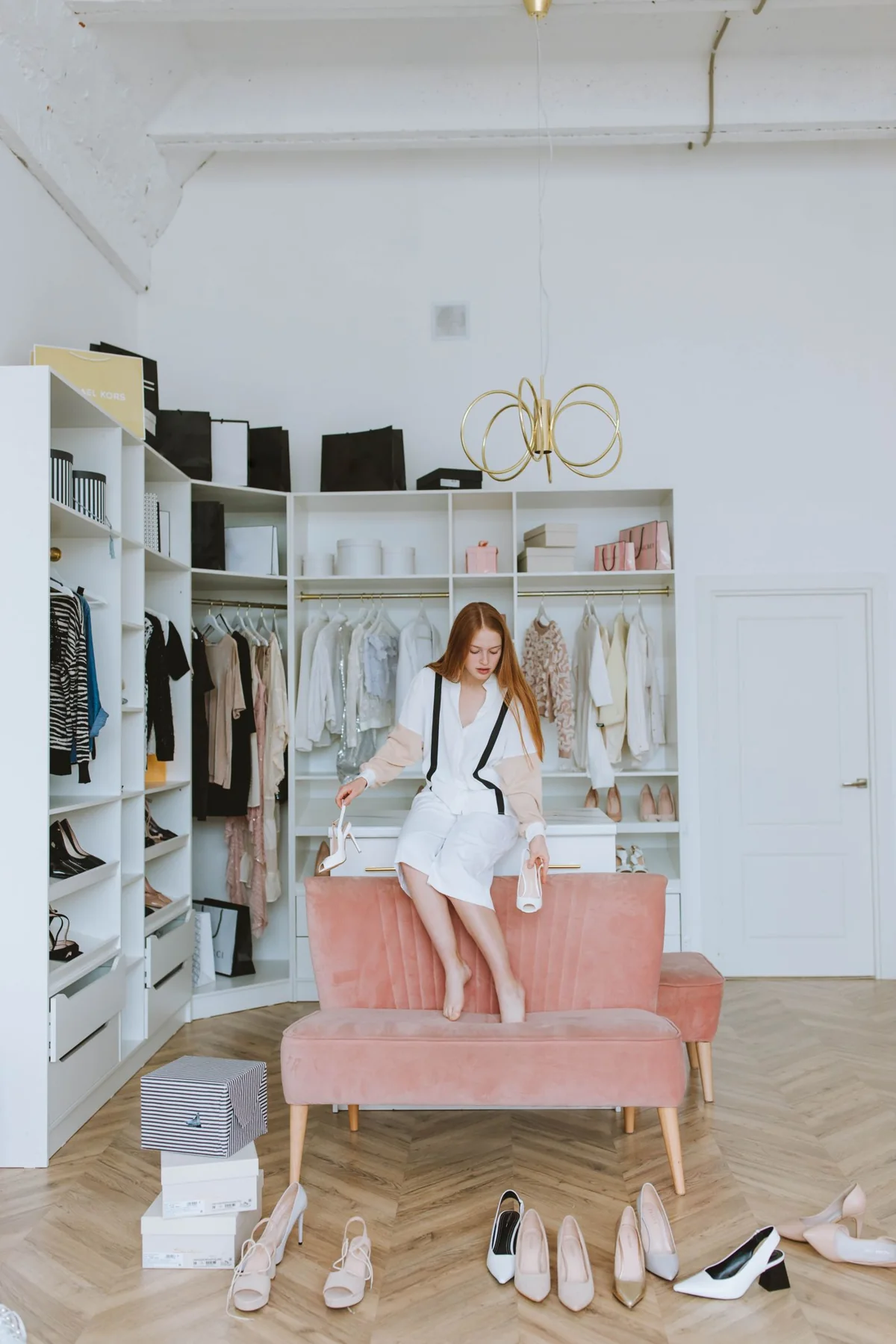
Choose the outfit already owned and the activity the shoes would serve. Keep personal preference separate from an assumed requirement. An approaching invitation does not establish that every pair with a suitable-looking silhouette answers the same need.
Use an owned suitable pair as a reference where helpful. It clarifies what would change without promising that another product will feel or behave identically. The comparison concerns your practical role rather than a universal ranking of shoe types.
Preserve exact product identity
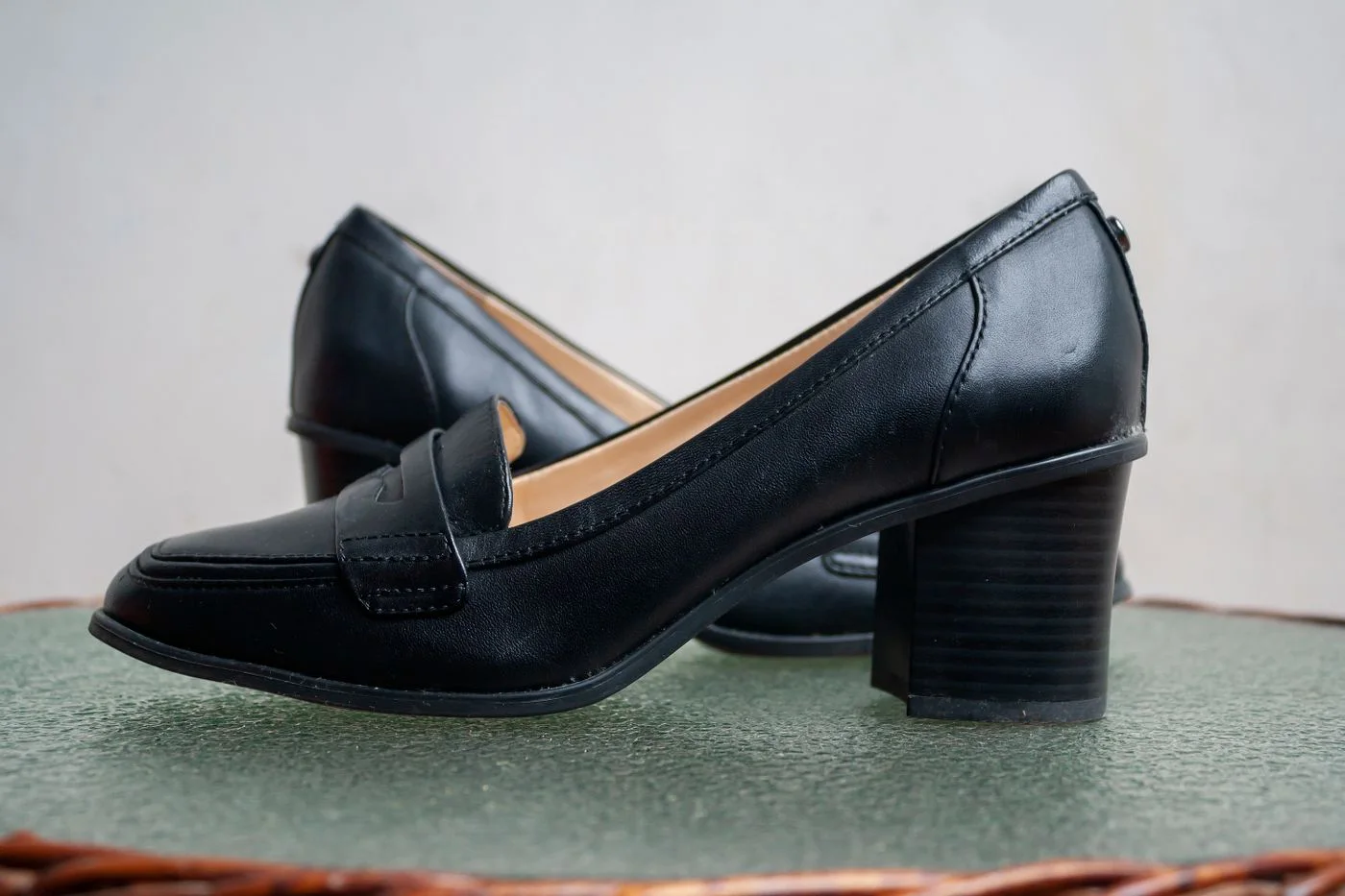
Keep the maker, model and relevant variant beside each saved view. Several pale or dark shoes can look alike while having different construction. A cropped picture should not become the only record used to find the same item later.
Read supplied size, material and care information separately. A familiar outline or reflective surface cannot establish those details. Preserve a missing relevant point as a question rather than filling it from another product's description.
Compare a few meaningful differences
Name the visible feature that influences preference and the practical information still needed. A shape you enjoy and an unanswered product question should remain distinct. Avoid creating a numerical score that implies evidence you do not have.
Leave decorative observations out when they do not affect the choice. A compact reference is easier to revisit than a table filled with details added only to make it look complete. The purpose is an understandable decision rather than a private catalogue.
Restore the actual outfit
Look at the intended garments and their ordinary arrangement. Keep photographic colour comparisons approximate because unrelated lighting and screens can influence appearance. The exact product name remains useful even when shades are difficult to assess precisely.
If a pair seems worthwhile only after several new companion purchases, revisit the original role. Shoes intended to support existing clothes should not silently become the reason for replacing the whole outfit.
Keep possible outcomes open
A specific information gap can lead to clarification, a delayed decision or use of an already suitable pair. Each is useful when it follows the actual question rather than the attraction of a thumbnail.
Follow applicable purchase guidance if ordering and retain relevant documentation. A real-outfit comparison keeps owned clothing and product identity central, allowing appearance to inform preference without pretending a large image collection has already settled every practical question or made a new purchase inevitable.
Related reading
Comfortable Everyday Shoes: A Shopping Checklist for Real Walking, Low-Heeled Loafers with Fuller Trouser Hems.
Our approach
Start with what you own, identify a real gap, then compare fit, materials, care and return terms before buying. Availability and prices can change. Read our editorial policy or send a correction.