Replacement laces can appear to be a simple colour choice while their dimensions and construction affect the footwear's intended fastening. Check the actual sneaker information before buying. A useful replacement should support the shoe's role rather than require improvised handling to make an attractive option fit.
Identify the shoe and guidance
Use the maker's information for the actual model where available. Keep similar pairs distinct rather than assuming all sneakers in the wardrobe use the same lace arrangement. A familiar appearance is not a specification for replacement components.
If the original lace or fastening has a problem, describe the concern clearly. Do not diagnose a technical issue solely from a small photograph. Seek relevant product support where the correct replacement or operation is uncertain.
Compare the stated details
Read the proposed replacement's type, dimensions and intended use. Keep length and width distinct, and establish the unit and measuring method where necessary. A photograph showing a tidy bow does not establish compatibility with your actual pair.
Do not infer suitability from colour or a broad style label. Similar-looking laces can differ in ways that matter to the fastening. If a necessary detail is missing, ask the maker or seller rather than buying on the assumption that excess length can simply be cut away.
Preserve the intended fastening
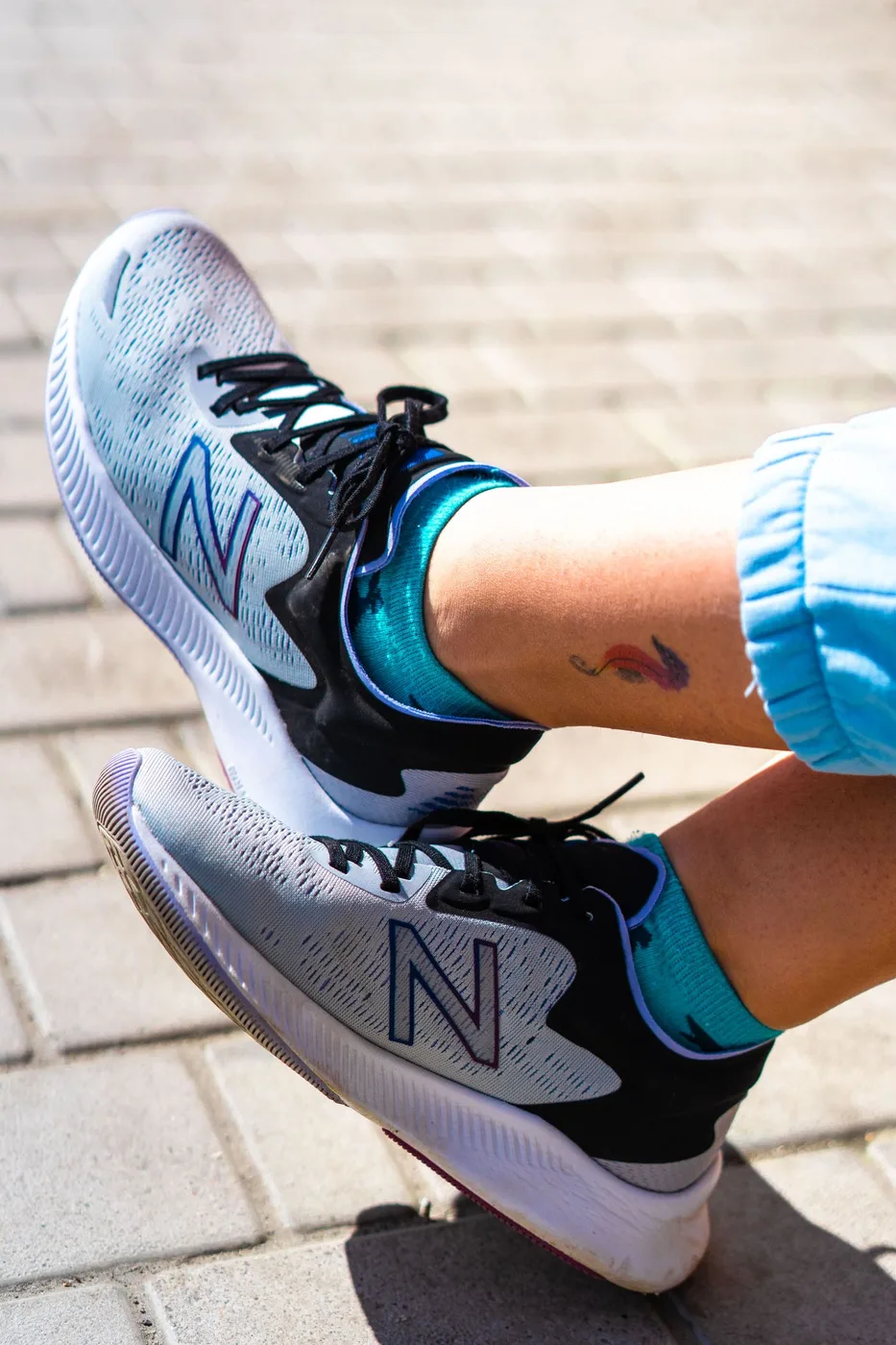
Follow the footwear's instructions for lacing and securing it. Do not improvise a new pattern solely to consume a replacement that is unsuitable for the original arrangement. The shoe's practical role comes before the visual effect of the component.
Keep both shoes' components identified during the change. Avoid mixing an old and new lace accidentally while working through similar pairs. An orderly small task can prevent the replacement collection from becoming another drawer of unidentified spare lengths.
Try the actual outfit
Use the intended socks and trousers where an appropriate comparison is possible. Check ordinary permitted movement while the shoes remain properly secured. The relation between lace ends and hems can change once the complete outfit is worn.
Do not accept an insecure or uncomfortable arrangement merely because the colour works. A styling preference does not establish that a component is suitable. Resolve the actual fastening question before assigning the pair to the day's activity.
Close the replacement task
Keep useful product information and account for removed components through an appropriate decision. Do not retain every unidentified old lace automatically if it no longer has a clear role. A small understood spare group is more useful than a tangled collection kept without context.
Review the completed pair with the maker's relevant guidance. The value of a replacement is a clear suitable fastening arrangement, not just a fresh colour in an outfit image. A considered lace choice supports the actual sneakers and their intended use without creating a second problem that must be disguised through knots, cuts or constant adjustment.
Related reading
Comfortable Everyday Shoes: A Shopping Checklist for Real Walking, Low-Heeled Loafers with Fuller Trouser Hems.
Our approach
Start with what you own, identify a real gap, then compare fit, materials, care and return terms before buying. Availability and prices can change. Read our editorial policy or send a correction.