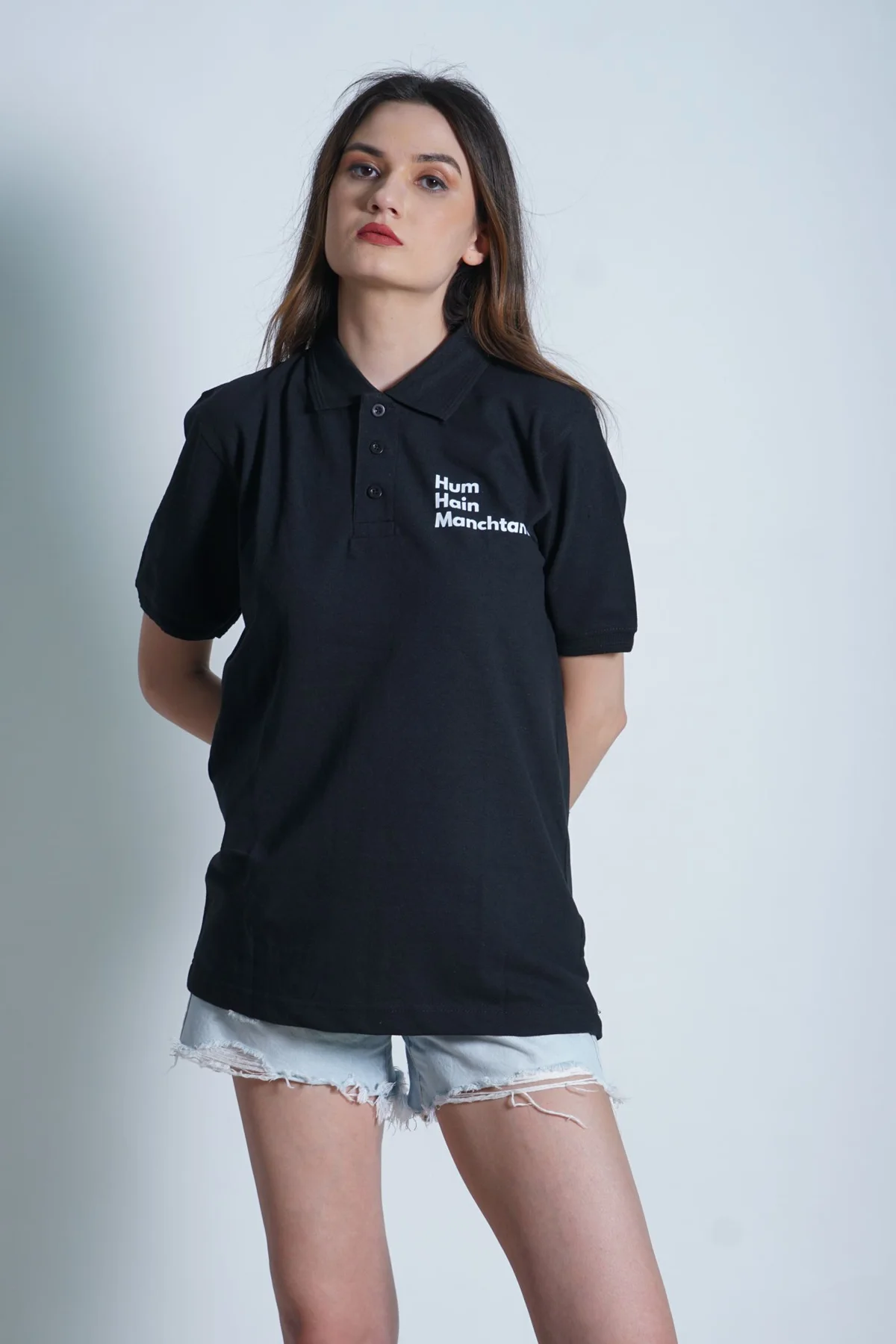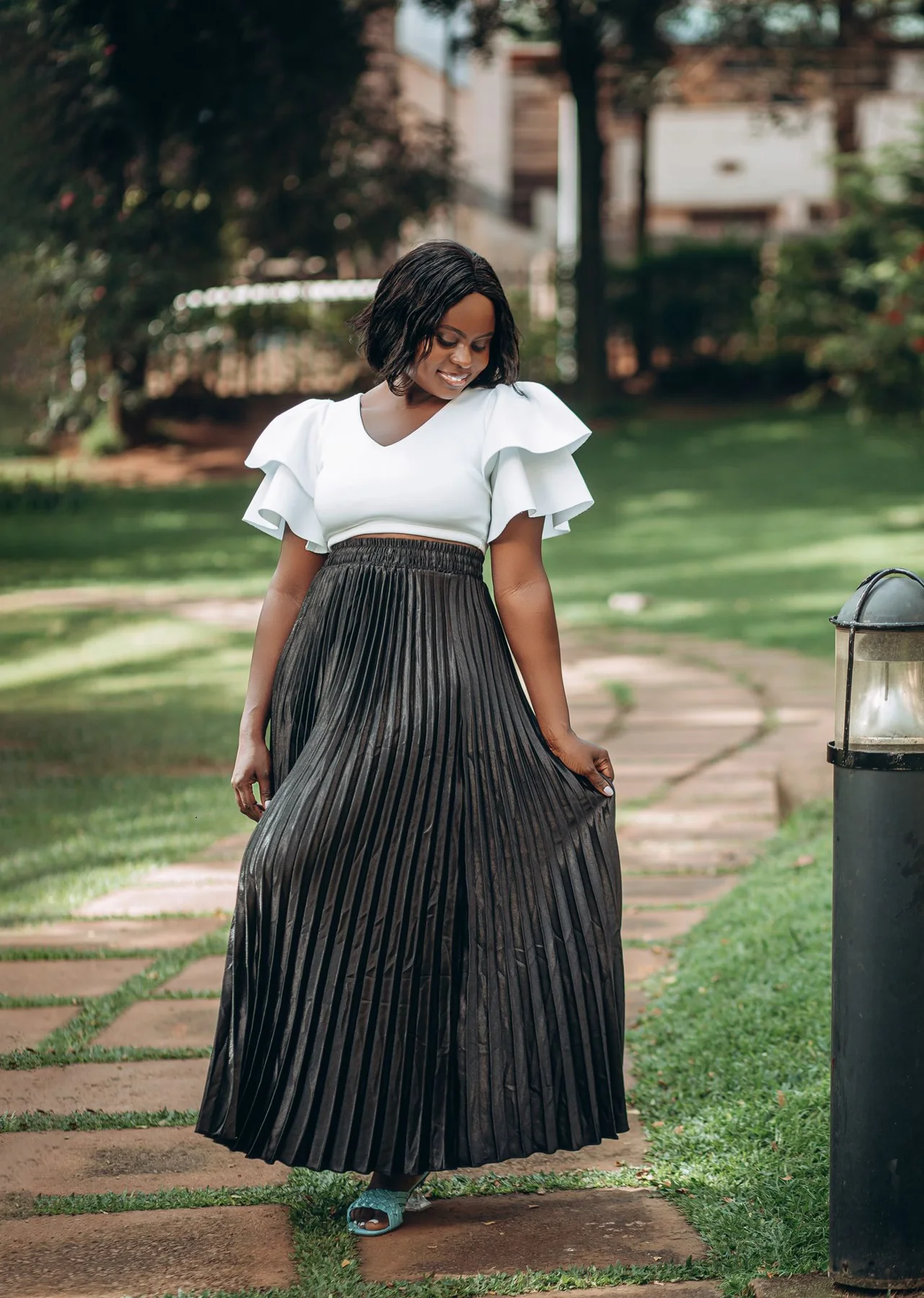
A full-sleeved blouse can feel comfortable alone and occupy a different amount of space beneath a jacket. Compare the actual pair before choosing it for the day. The useful decision includes dressing, ordinary movement and removal rather than a front view with the sleeves arranged out of sight.
Use the intended blouse
Wear the garment with its appropriate base layers and intended cuff arrangement. A temporary narrow-sleeved top does not represent the same outfit. Keep the blouse's construction clear rather than pushing fabric into an unusually tight fold to simplify the trial.
Read relevant care and use information for both garments. Do not force a delicate detail through an opening that catches. The jacket's apparent size does not establish that every inner sleeve will be suitable beneath it.
Put on the outer layer carefully
Follow the garments' intended wearing arrangement and let the inner sleeve settle naturally. Avoid pulling hard at a caught cuff. If the blouse cannot be dressed comfortably beneath the jacket, recognise that as useful information about the pairing.
Check the shoulder and arm areas without holding the outer sleeve in place. The outfit should remain manageable once both hands are needed for ordinary tasks. A successful pose is not the same as a comfortable complete wearing arrangement.
Include the day’s movements
Sit, stand and reach carefully in a suitable space. Notice whether fabric bunches or whether the inner cuff needs repeated correction. Keep the movement ordinary rather than turning the comparison into an improvised stress test.
If the arrangement is awkward, try one suitable alternative inner garment or outer layer. Keep the rest of the outfit stable so the change is understandable. Several simultaneous substitutions can hide which relationship actually improved.
Review removal too
Take the jacket off carefully and notice whether the blouse remains comfortable and presentable for the indoor activity. The base should have an independent role if the outer layer will be removed. Do not choose an unsuitable blouse solely because most of it is hidden during departure.
Keep any ordinary wrist accessory in the trial only if it belongs to the actual outfit. It can change the cuff relationship. Avoid adding hypothetical details that make the comparison more complicated without reflecting the planned day.
Decide the garments’ useful roles
If the blouse works best without this particular jacket, keep that distinction rather than demanding complete versatility. Another existing layer may already provide the practical option needed. A wardrobe can contain several useful roles without every garment working with every other piece.
Remember the actual successful pairing if it helps future dressing. Review it after an alteration or change in base layers. A considered full-sleeve outfit supports ordinary movement and the jacket's removal, leaving the blouse's volume as a style choice rather than a recurring task of pushing fabric back into place.
Related reading
Blazer Fit: The Details to Check Before You Buy, Autumn Layering for Mornings That Change Their Mind.
Our approach
Start with what you own, identify a real gap, then compare fit, materials, care and return terms before buying. Availability and prices can change. Read our editorial policy or send a correction.