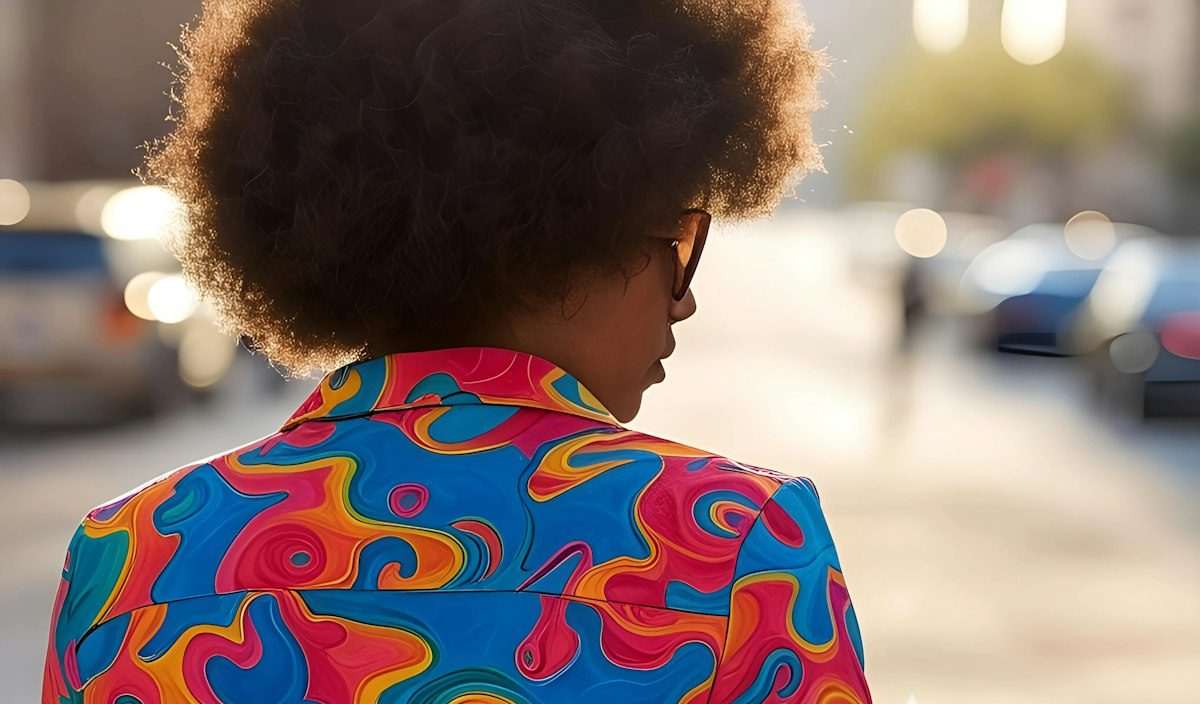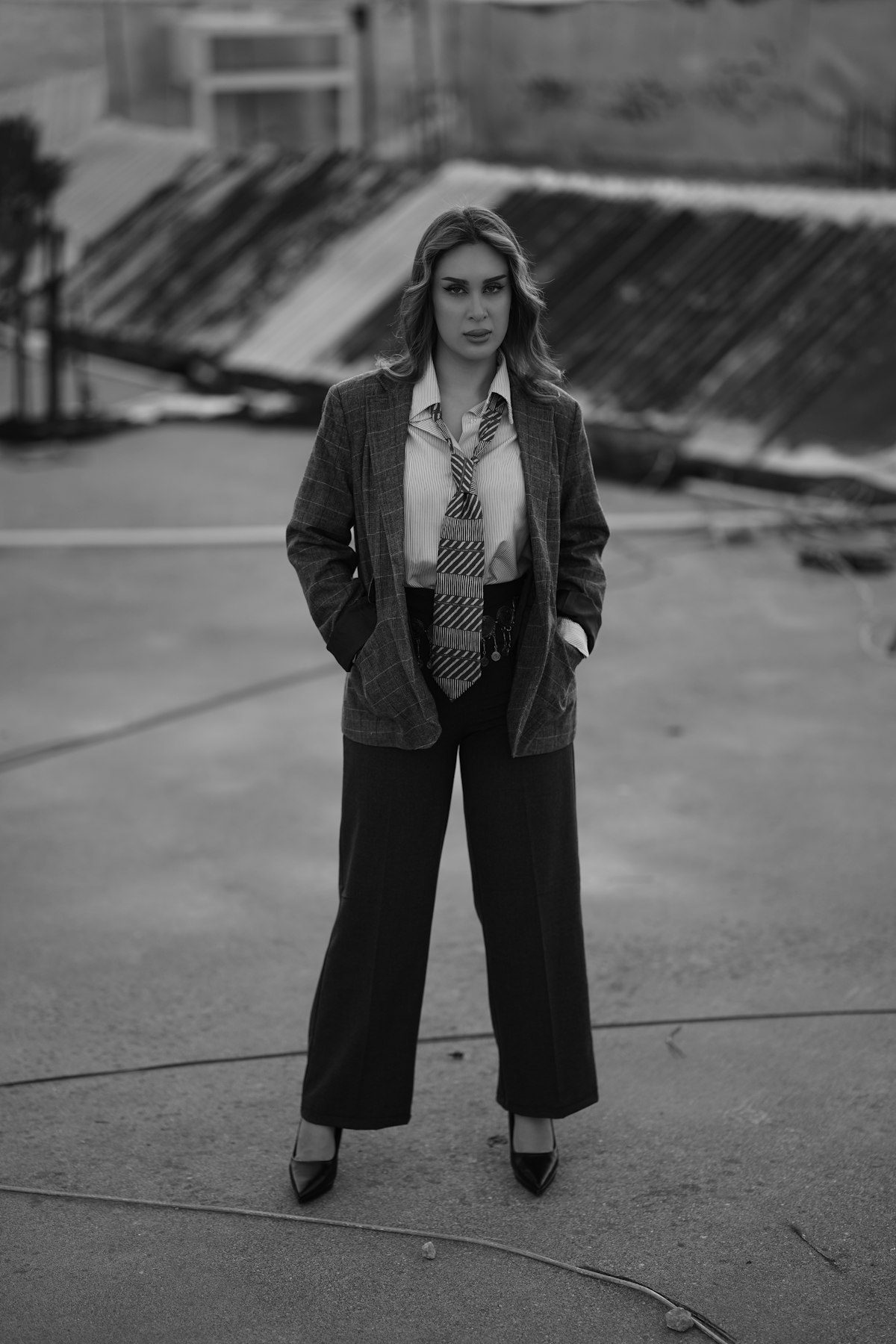
A chilly morning and a mild afternoon can demand two different outfits in the same day. Autumn layering works best when each layer has a clear purpose and can be removed without making the remaining outfit feel unfinished. Think about your whole route: a walk to the station, a warm train, an office with unpredictable heating and a trip home after sunset. The answer is usually flexibility rather than one exceptionally thick garment.
Plan the outfit from the inside out
Choose a base you are happy to wear alone. A plain tee, soft shirt or fine long-sleeved top should fit comfortably without relying on a cardigan to conceal bunching. Check the neckline under your next layer and make sure the base does not extend awkwardly beyond a shorter jacket unless that contrast is deliberate. A comfortable first layer makes every later decision easier.
Add warmth where you need it. A waistcoat keeps the torso covered while leaving arms free; a cardigan adds sleeve warmth and opens easily indoors. A fine knit under a jacket can be useful, but only if the jacket has enough room through the shoulders and upper arms. Squeezed layers restrict movement and often feel heavier than their actual weight.
Leave room for movement and removal
Try reaching forward as if holding a steering wheel or carrying a shopping bag. If the jacket pulls across the back, choose a thinner middle layer or a roomier outer cut. Test the sleeves together: a textured knit can catch inside a narrow coat sleeve, while a smoother layer may slide more easily. Small compatibility details decide whether an outfit is practical outside the mirror.
Think about where removed clothing will go. A bulky cardigan that cannot fit in your bag may be inconvenient on public transport. A lighter layer can be easier to fold, though it provides less warmth when the temperature drops. If you regularly travel by car, storage may be less important than for a day of walking between appointments.
| Layer | Main role | Potential drawback |
|---|---|---|
| Fine shirt or tee | Complete indoor outfit | May need extra warmth |
| Cardigan or waistcoat | Adjustable insulation | Needs space in outer layer |
| Light jacket | Outdoor coverage | Check actual weather protection |
Use colour to make layers belong
Two familiar neutrals and one accent can simplify a layered outfit. Try blue denim, a cream shirt, a burgundy cardigan and a navy coat. The exact colours matter less than the ability to wear the shirt and cardigan separately. Avoid buying a layer that only looks right when every other piece remains on; real days involve taking clothes off and putting them back on.
Texture can add interest when colours are quiet. A ribbed knit beneath a smooth jacket looks different from a flat cotton top, even in the same shade. Too many thick textures can make the outfit feel crowded, so change one layer at a time. Photograph the outfit with outerwear both open and closed to check the proportions.
Buy according to the forecast and routine
Read composition and care instructions rather than assuming a fibre name guarantees warmth, softness or easy washing. If rain protection matters, look for a specific published claim on the individual garment; a trench-like appearance does not establish waterproof performance. Check pockets for keys and a phone, closures for easy adjustment, and the collar for comfort against your neck.
Browse women's clothing at Nordstrom to compare layering options, and use the retailer's individual size information rather than guessing from a model photograph. This is a shopping starting point, not a claim of hands-on testing. Recheck the current return policy before ordering unfamiliar cuts or fabrics.
A realistic morning checklist
Look at the temperature range, rain forecast and amount of time outdoors. Choose your comfortable base, add one removable warm layer, and select outerwear for the weather. Pack only what has an identified job. A scarf may be more useful than a second bulky sweater if you need adjustable neck coverage, but it cannot replace a coat when sustained cold is expected.
FAQ
Must layers be different lengths?
No. Similar lengths can look clean; stepped hems can create interest. Check the whole outfit rather than applying a mandatory formula.
How many layers are enough?
Enough to suit conditions and your comfort. Start with a complete base outfit and add layers for specific needs, removing any that duplicate a job without improving the day.
Our approach
Start with what you own, identify a real gap, then compare fit, materials, care and return terms before buying. Availability and prices can change. Read our editorial policy or send a correction.