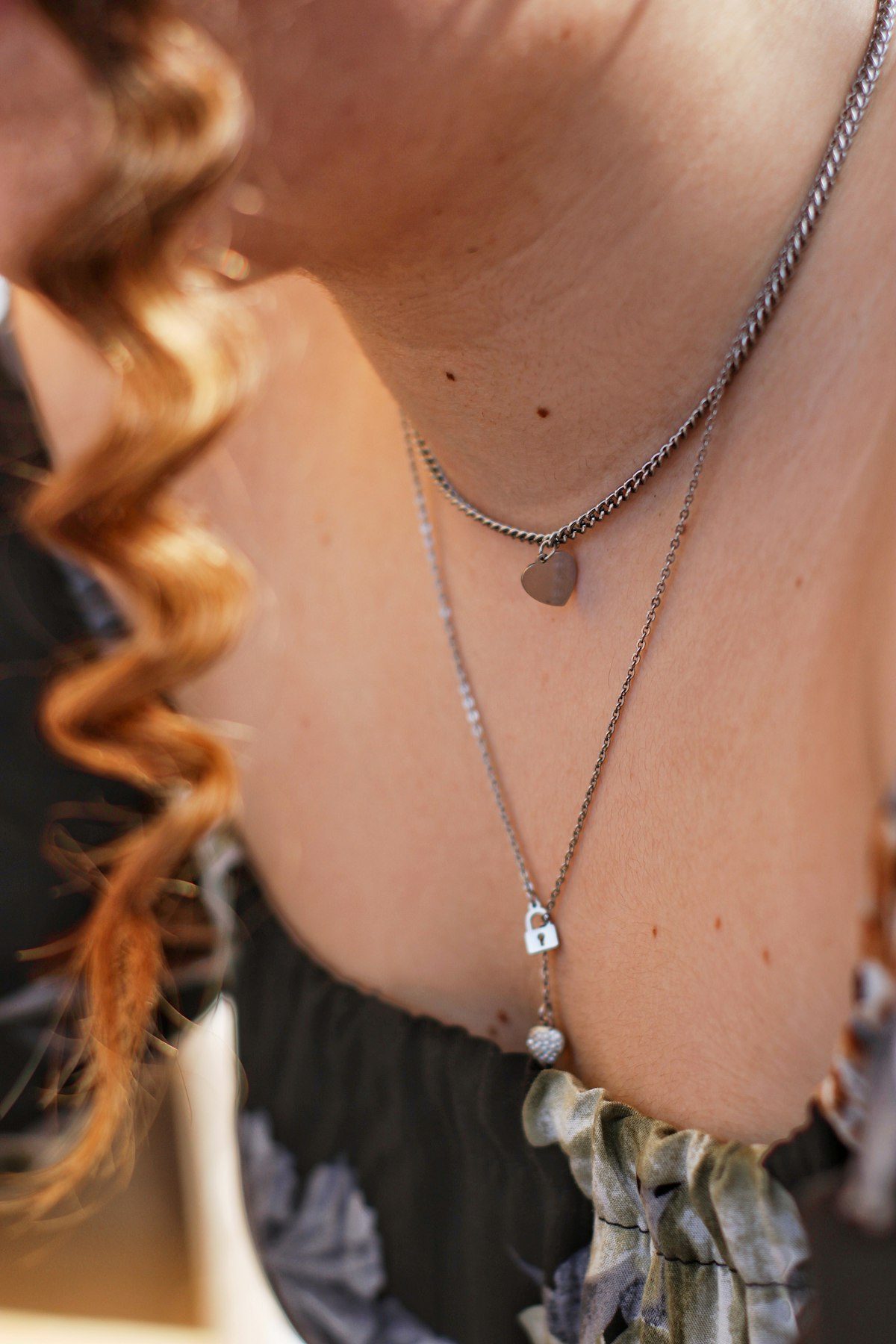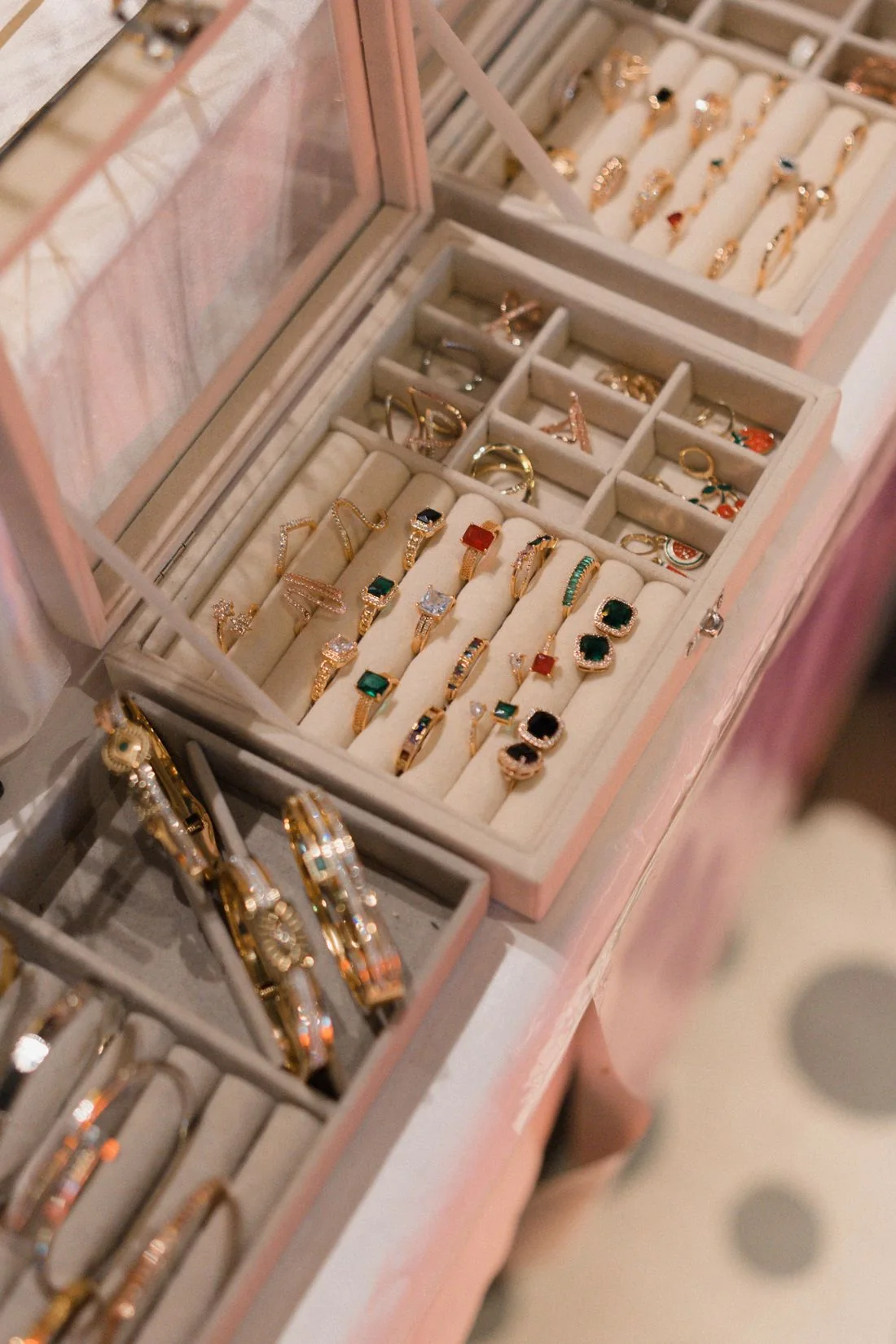
A family object can carry meaning without a precise date, maker or complete ownership trail. A ring, ornament or small household piece may connect several people through memories that differ in detail. Preserve those accounts with their sources visible. The useful record is a modest personal reference, not an appraisal or a complete-looking history created because an unknown field seemed untidy. Affection can remain clear while factual uncertainty stays honestly open.
Identify the object and established connection
Record what the actual item is and what is genuinely known about how it reached the current household. Do not treat the box or drawer where it was found as proof that every object inside shares the same owner or story.
Use an appropriate private photograph if it helps future recognition. Keep visible description separate from material, authenticity or value claims that the image alone cannot establish.
Attribute what people remember
Write who supplied a recollection and what they recall. A remembered occasion can be meaningful without a confirmed year. Preserve it as an account rather than converting it into a precise dated statement.
Let different memories remain attributed rather than forcing one final narrative. The record can explain that an event is remembered in more than one way without deciding which person must be wrong.
Keep images within their evidential role
An older photograph may show the actual object or something similar. Compare relevant visible details and label uncertain identification. A shared broad shape is not enough to prove the picture documents the piece now held.
Retain any known source or date context with the photograph. A later annotation can be useful but should not silently become original evidence about the moment the image was made.
Separate the story from practical care
Meaning does not determine how an object should be used, repaired or stored. Where the actual condition creates a question, seek suitable qualified guidance rather than following an unverified treatment remembered from another era.
Ask before sharing private family accounts beyond the intended audience. Owning the object does not itself establish permission to publish every associated personal story or another person's words.
The finished note can preserve three clear things: established details, attributed memories and unanswered questions. It does not need a value estimate or a famous maker name to justify keeping the connection. An honest small record leaves room for better information later while allowing the object to remain meaningful now, without its history becoming more confident merely through repeated retelling.
Keep a source note usable
A simple private record can name the person supplying a memory and when it was recorded. That date belongs to the conversation, not automatically to the object or event being remembered; keeping both roles distinct prevents a later mistaken chronology.
Related reading
A Short Note about an Outfit’s Repeated Adjustment, Choose an Accessory Gift That Feels Thoughtful and Useful.
Our approach
Start with what you own, identify a real gap, then compare fit, materials, care and return terms before buying. Availability and prices can change. Read our editorial policy or send a correction.