A book can look compact in a product image while its format has a different practical role in the home. Before adding it to an existing shelf, read the stated size and exact edition. A useful choice considers how the item will be stored and read rather than only the appeal of its cover. The comparison should preserve product identity instead of assuming similar titles or photographs describe the same physical object.
Identify the actual edition
Read the full product description and relevant format information. Several versions can share a title while differing in scope or presentation. Keep the exact reference clear before comparing a listing image with an owned copy.
Do not infer dimensions from a close crop or a stylised arrangement. A photograph of shelves can illustrate a collection without providing measurements for another product. Read the stated information rather than estimating from the apparent size of nearby objects.
Keep dimensions with their explanation
Record the supplied units and what the figures describe. An unexplained number can appear precise while leaving its practical meaning unclear. If a relevant detail is missing, ask about that specific point rather than requesting a general assurance that the book is a convenient size.
Preserve the listing identity with any clarification. A current page may change or describe another version later, so a saved note should remain connected to the item actually considered.
Review the shelf's ordinary role
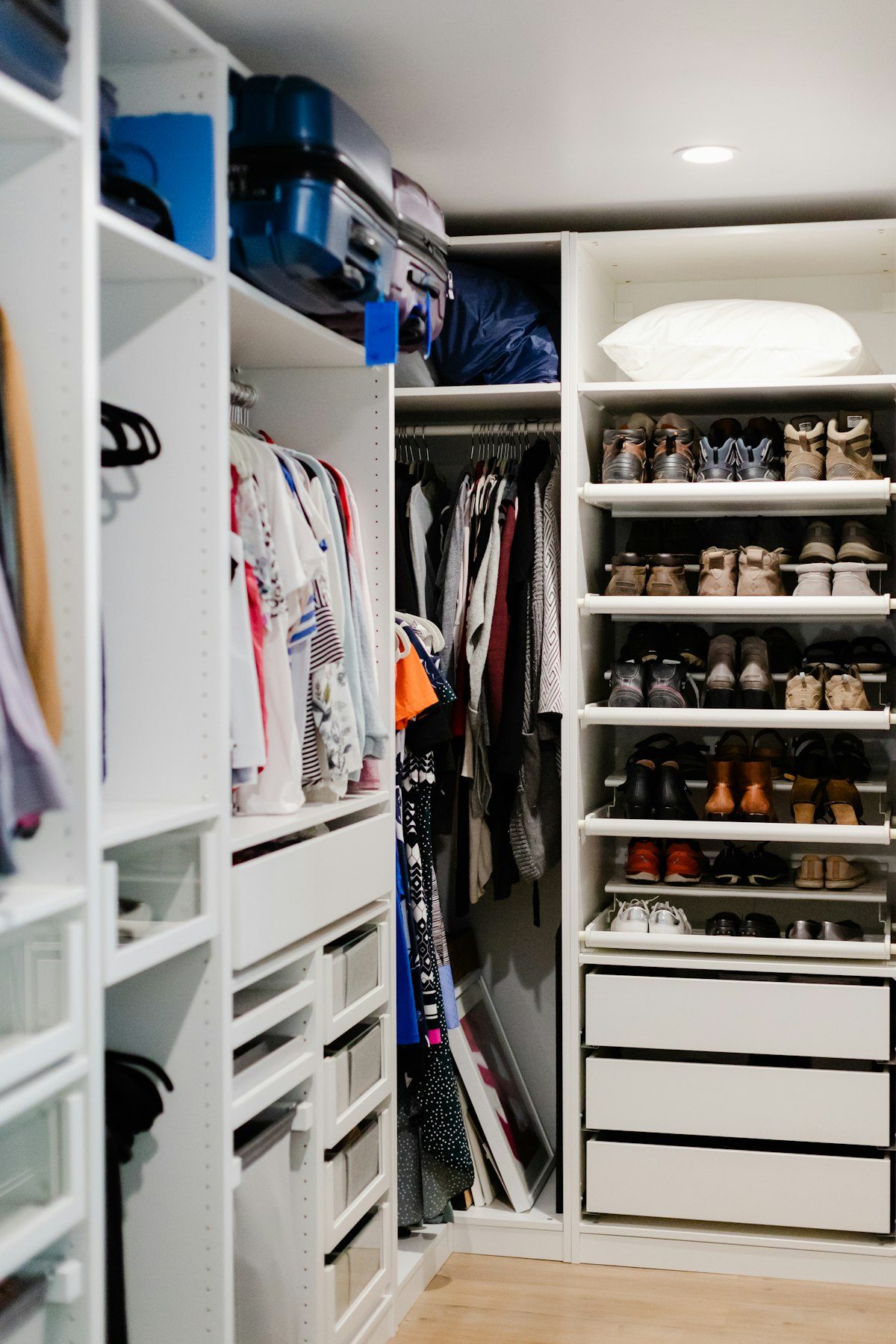
Use relevant furniture guidance and look at the actual available arrangement. A decorative shelf image may have been composed around its contents, while your own shelves already serve real belongings. Keep access and suitable storage clear.
Do not create a new storage purchase automatically to accommodate one attractive product. First understand whether the item has another appropriate place already available or whether a different understood format serves the purpose more clearly.
Include the reading role
Think about where the book would genuinely be used. A large-format object can have a different practical place from a familiar everyday reading copy without either being universally better. Keep personal preference and actual product information distinct.
If the attraction is mainly the cover's appearance, recognise that honestly rather than inventing a daily reading need. A decorative interest can be valid, but it should not silently become the same justification as an understood functional role.
Preserve a useful decision record
Retain the exact product, dimensions and relevant answer through the appropriate purchase process. Follow applicable guidance if ordering and compare the received identity and visible details with the information relied on. Use the appropriate process for a discrepancy.
A shelf-led size review can lead to clarification, postponement or an already suitable book. It lets appearance inform preference while keeping the actual edition and ordinary home role central, without asking a close cover photograph to provide practical scale it does not establish.
Related reading
Pack a Weekend Bag Without a Pile of Just-in-Case Outfits, Organise Your Wardrobe Before Buying Another Storage System.
Our approach
Start with what you own, identify a real gap, then compare fit, materials, care and return terms before buying. Availability and prices can change. Read our editorial policy or send a correction.