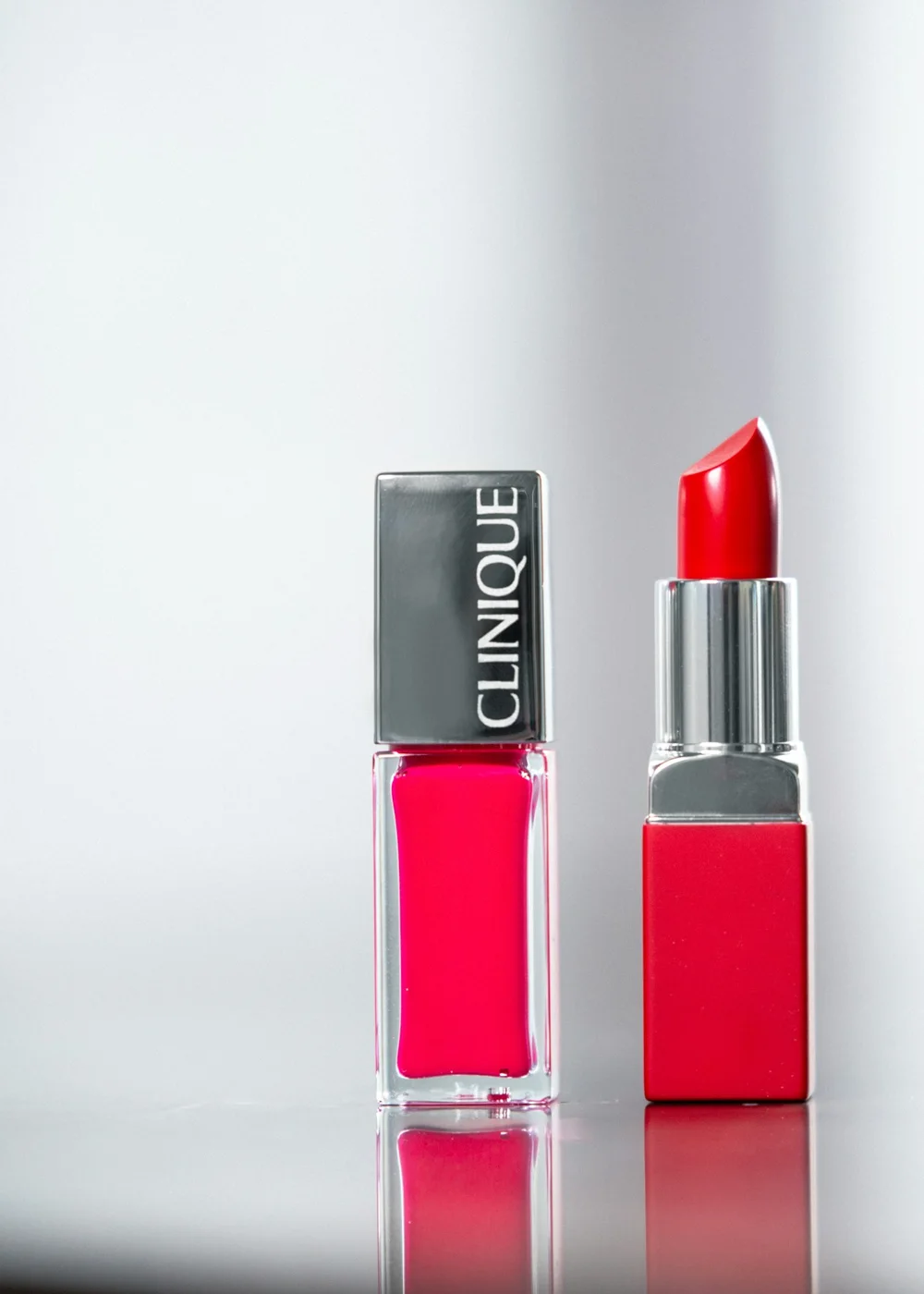
A shared mirror area can remain occupied after the person using it has moved on. Give the routine a clear finish so the next user does not inherit another collection of loose products and unanswered care tasks. The practical return matters more than making the surface look like a permanent dressing-table display.
Agree the space’s ordinary role
Discuss how the mirror and nearby surface are used without assuming everyone's routine is the same. Keep required room access and the fittings' intended operation clear. A common area should remain practical for the people actually sharing it.
Use relevant maker guidance for the mirror, furniture and products involved. Organisation does not settle individual suitability or care questions. Keep those decisions with the actual product information and appropriate professional advice where needed.
Bring a manageable personal group
Use only the belongings needed for the routine in that position. Avoid moving the whole beauty collection onto the shared surface automatically. A smaller understood group is easier to handle appropriately and return afterward.
Keep personal ownership clear without unnecessary marking of products or tools. A suitable pouch or separate storage position can help where appropriate. Shared access to the mirror does not establish shared permission to use every object placed beside it.
Separate unfinished care
Follow each product's instructions before considering it ready for storage again. Keep items awaiting a necessary step in an appropriate distinct position. A closed container or tidy tool arrangement does not by itself communicate completion.
Avoid leaving an unresolved task across the next user's working space. If something genuinely needs to remain temporarily, explain the actual arrangement through a simple agreed method. Keep the waiting group modest rather than allowing it to expand into permanent storage by default.
Complete the personal return
Account for tools, caps and other components before leaving the area. Preserve intended pairings instead of dropping small parts into a mixed household drawer. A useful finish returns objects to places where their identity and status remain understandable.
Remove unrelated personal items such as notes or charging accessories through their own appropriate routes. Do not clear the mirror surface by transferring everything to another shared area. That creates a second unfinished task rather than a complete return.
Leave the next use clear
Restore the area according to its actual care and use requirements. Agree what ready means without equating it solely with a particular photograph. The next person should not need to ask whether every object is finished or merely waiting for its owner to come back.
Review a recurring obstacle together and make one suitable change. A practical shared mirror routine respects individual choices while giving the common space a clear end state. It allows the next use to begin without dismantling somebody else's display or guessing what can appropriately be moved.
Related reading
A Normal-Distance Makeup Check beside the Detail Mirror, A Hanging Beauty Bag without Filling Every Compartment.
Our approach
Start with what you own, identify a real gap, then compare fit, materials, care and return terms before buying. Availability and prices can change. Read our editorial policy or send a correction.