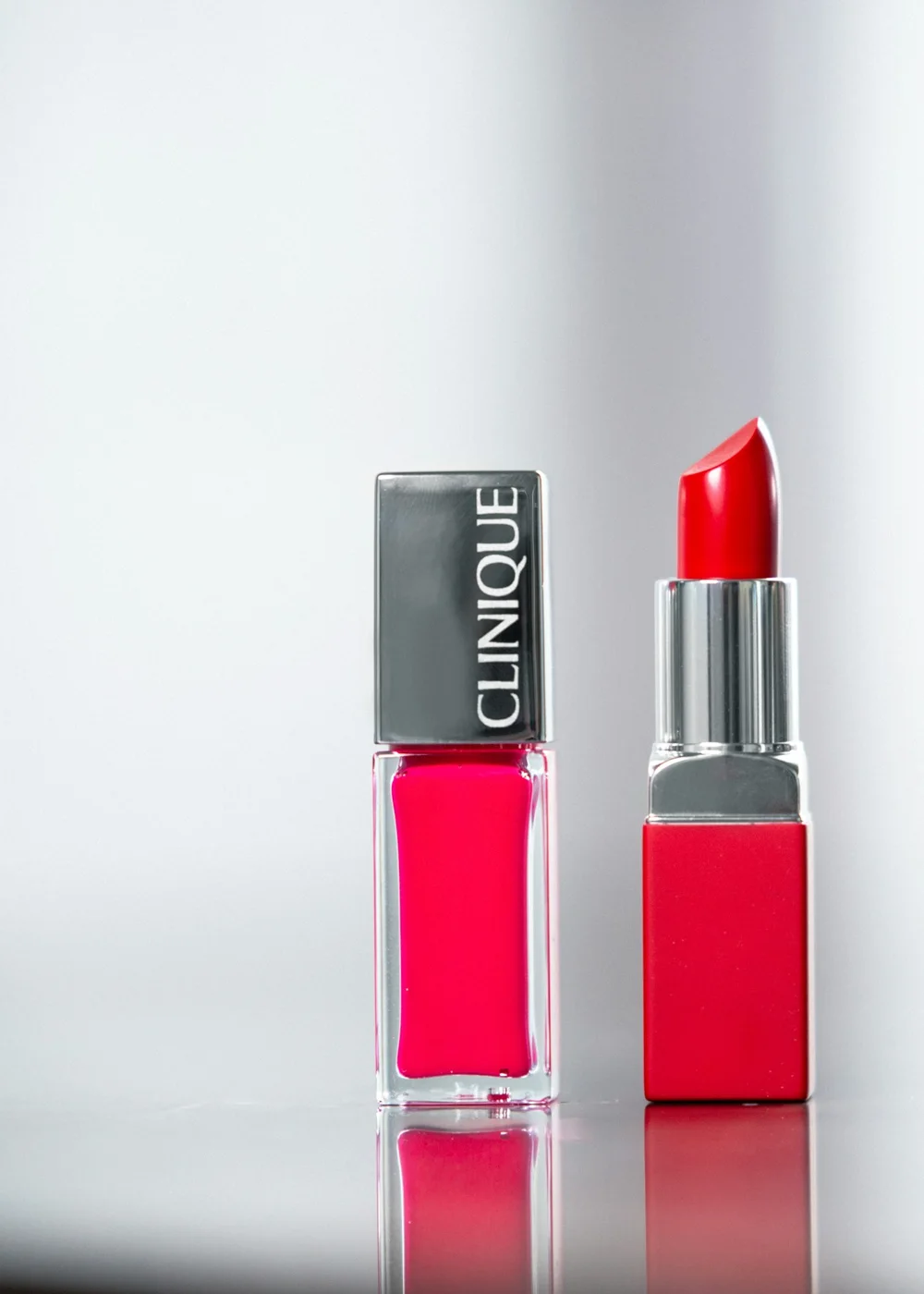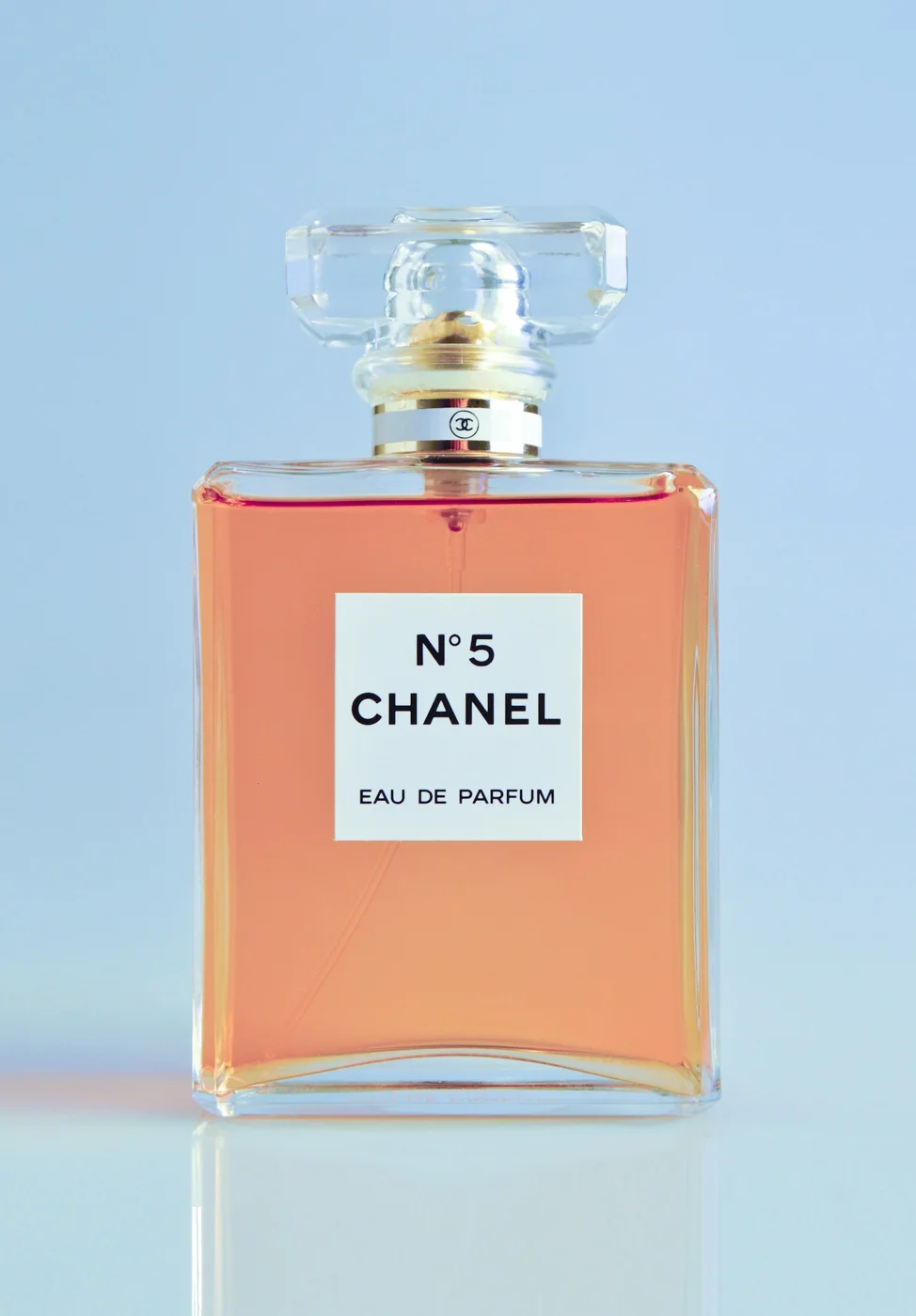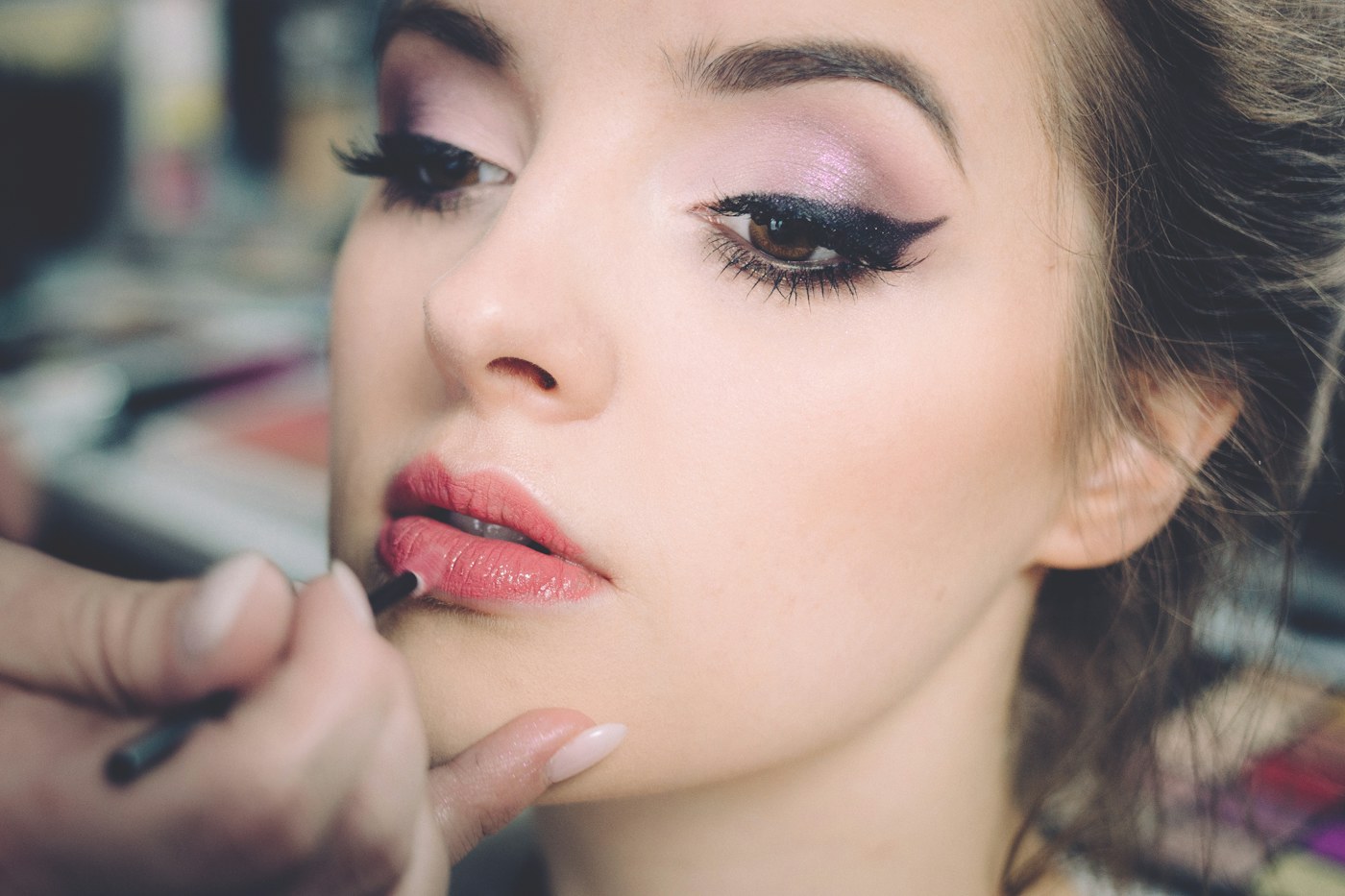
A makeup reference can communicate an appealing colour while leaving the detail that matters to you unclear. The attraction may be definition, visible texture or the way the lighting presents the look. Name that interest before relying on the image alone. A useful reference supports a discussion without promising that another person's photographed appearance can be reproduced by a particular product or service.
Describe the visible preference
Choose a small number of relevant images rather than a large folder of vaguely similar looks. Write one plain-language observation beside each. A preference for a quieter visible finish is a different question from wanting a stronger colour area.
Keep uncertainty explicit. If you cannot tell whether a detail comes from lighting, editing, styling or the product, say so. A clear question is more useful than an instruction based on an unverified assumption about how the photograph was made.
Preserve the source context
Use images only in a context you are entitled to save or share and keep the source where appropriate. A private reference can remain a conversation aid rather than becoming public beauty advice or a product endorsement.
Do not infer the exact cosmetics from appearance. A small brush or visible container in a photograph does not establish what was used throughout the look. Product identity requires relevant information separate from the visual impression.
Connect the reference with your real routine
Name the activity and your own preference in ordinary terms. Keep a desire for a particular visible effect distinct from a claim about performance that has not been established. The reference should clarify the question, not replace actual product information or appropriate individual guidance.
If discussing a service, read its current description and relevant provider information separately. A finished-look photograph does not establish what the appointment includes. Keep any clarification with the actual service rather than assuming every reference image forms part of the offer.
Explain what the image cannot show
Lighting and screens can influence colour and surface appearance. A saved photograph is not a precise shade standard, and a still view cannot describe the whole experience of wearing a product. Preserve those limits without allowing them to erase the useful visual preference.
A short comparison can help: name which of two references better expresses the detail you mean, while acknowledging that neither is a guaranteed outcome. This is often clearer than asking someone to copy an image with no explanation.
Keep the next step modest
Record the agreed question or relevant information received rather than turning the inspiration into a promise. Keep private appointment or personal notes appropriately stored and avoid retaining unnecessary information about another person.
A well-contextualised makeup reference makes a beauty conversation more concrete while respecting the limits of photographs. It allows visible preference to guide discussion without turning lighting, a camera angle or an assumed product identity into evidence they cannot provide.
Related reading
A Practical Brief for a Makeup Appointment, How to Choose an Everyday Makeup Finish That Fits Your Day.
Our approach
Start with what you own, identify a real gap, then compare fit, materials, care and return terms before buying. Availability and prices can change. Read our editorial policy or send a correction.