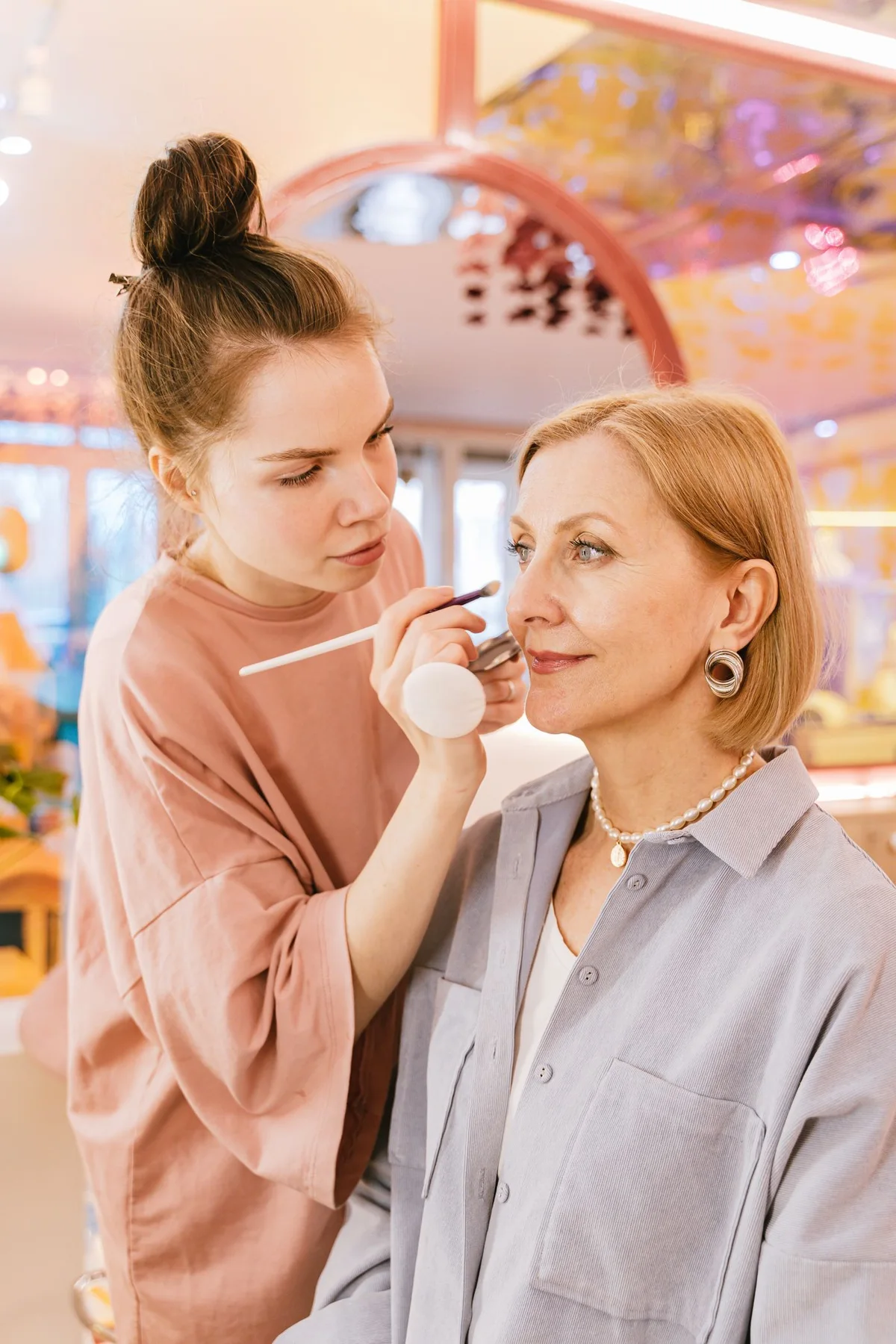
A makeup appointment works more clearly when the desired direction and practical day are understood. A short brief can describe what you enjoy without prescribing every product or demanding an exact copy of a filtered image. Prepare a few priorities, then discuss them with the provider. The goal is a result connected to your comfort and event, with current arrangements confirmed rather than assumed from a general online description.
Describe timing and activities
Explain the occasion, necessary arrival time and the main movements involved, such as meals, photographs or periods outdoors. Confirm service arrangements directly. Leave practical preparation and travel time instead of assuming an appointment can end when the event begins. Keep the brief focused on details that affect the service rather than an exhaustive list of every outfit consideration.
Name familiar preferences
Use ordinary language about the finish or amount of detail you enjoy. A lighter-looking base, defined lip or quieter eye can be a clear starting point. Mention elements you prefer to avoid. The provider can ask clarifying questions. An occasion does not require an unfamiliar dramatic change, and a recognisable version of everyday style can be a complete aim.
Select useful references
Use images appropriately and identify the element wanted in each, such as colour placement or overall finish. Lighting, filters and individual features influence appearance. Treat references as discussion aids rather than promised duplicates. A few clear examples with priorities can be more useful than a large contradictory folder of images whose appeal has not been explained.
Discuss relevant needs
Tell the provider about pertinent sensitivities, concerns or requirements and follow appropriate professional and product guidance. Do not use a generic online routine to decide suitability. Ask how product discussion and preparation are handled. Confirm inclusions and what should be brought through current provider information. The brief supports the conversation but does not replace assessment of the specific person and situation.
Plan clothing and touch-ups
Consider how the outfit will be changed afterwards and ask for suitable practical guidance. A close neckline may need another sequence from an easy-opening layer. Discuss any touch-up plan and whether familiar suitable products will be carried. Avoid buying a complete second kit automatically. The day's bag, schedule and actual need should guide a manageable arrangement.
What if expectations differ?
Clarify priorities and realistic options before committing where possible, following the provider's terms. Identifying a mismatch early is more useful than assuming it will disappear during the appointment. The successful brief makes direction, timing and relevant needs understandable, leaving room for professional discussion while keeping the result connected to your own comfort rather than a demand to reproduce someone else's edited photograph.
Related reading
How to Choose an Everyday Makeup Finish That Fits Your Day, The Small Makeup Bag That Makes Busy Mornings Easier.
Our approach
Start with what you own, identify a real gap, then compare fit, materials, care and return terms before buying. Availability and prices can change. Read our editorial policy or send a correction.