A clothing parcel can be opened and its materials cleared away before the try-on decision is settled. When several orders arrive together, information can also become attached to the wrong garment. Keep a temporary understandable group for each actual purchase while the next step remains open. This is not an instruction to preserve every piece of packaging forever. It is a way to support the particular seller's process without assuming every purchase has identical requirements.
Identify the order as it is opened
Keep the exact garment, relevant confirmation and supplied materials connected. Similar tops from different sellers can be difficult to distinguish after tags and papers have been moved into one pile.
Read the actual seller's terms and the garment's information before changing labels or discarding materials. Do not assume a process remembered from another shop applies to the current offer. A useful temporary group responds to what this purchase actually requires.
Separate decision materials from general waste
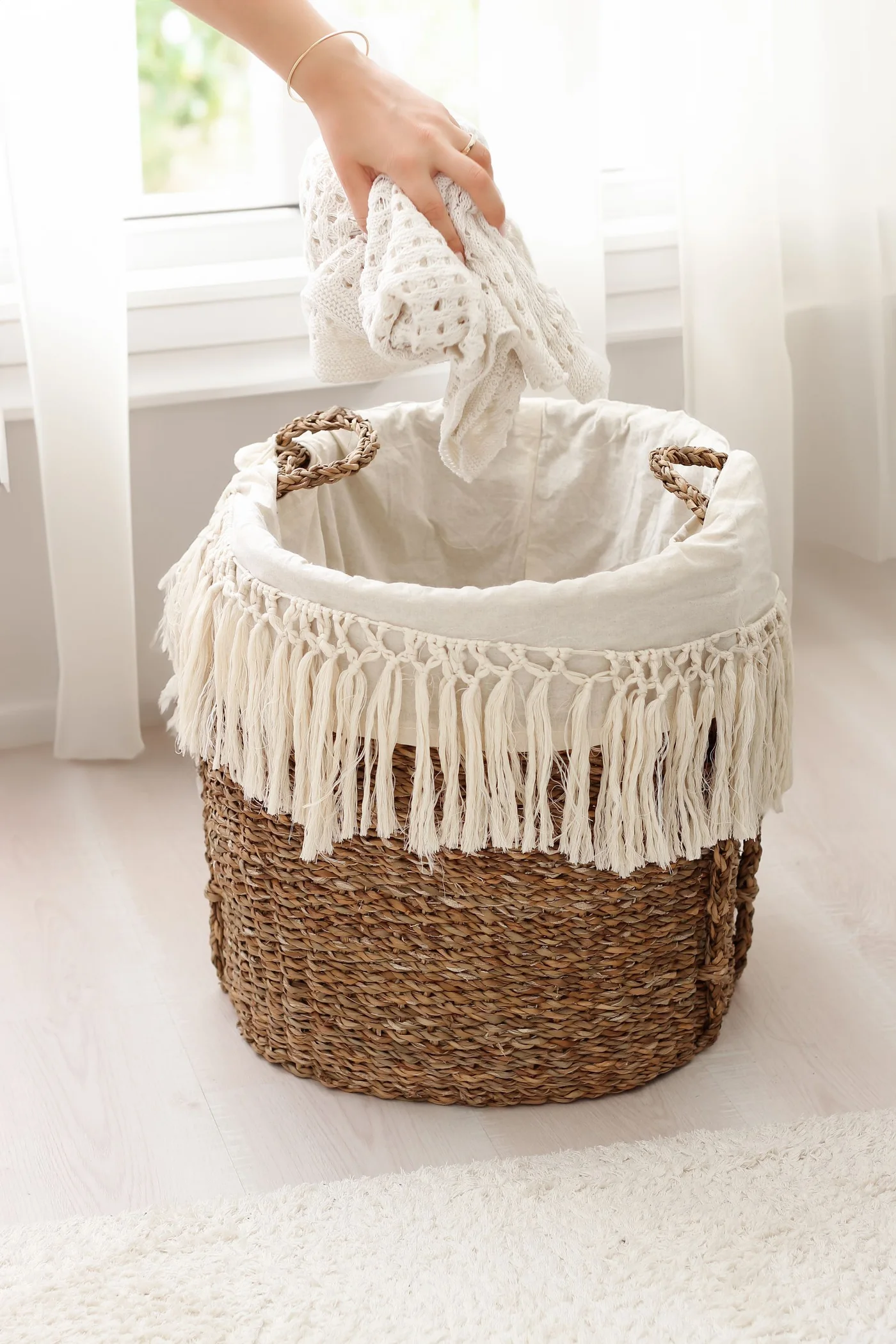
Choose an appropriate existing place for the relevant group while the garment is being considered. It should not block ordinary household work or become mixed with laundry and borrowed clothes waiting by the door.
Keep the group modest and identifiable. An unnecessary new storage box is not the first solution to a temporary decision. A clear private note can be enough to distinguish an order from the other items being handled that week.
Make the try-on decision with the actual role in mind
Use the outfit partners that matter and ordinary suitable movement, following the relevant process. A candidate should answer a real wardrobe question rather than remain undecided because its photograph was attractive.
If a practical point is unclear, ask the seller about that specific item and process. Preserve the answer with the correct order so the decision does not depend on memory of several similar exchanges.
Close the temporary group when its job ends
Once the purchase decision and relevant next steps are complete, retain only information with a real ongoing purpose. Handle private order details appropriately and release materials that are no longer needed through suitable ordinary routes.
Do not let a temporary holding place become a permanent shelf of unresolved parcels. If several candidates remain open, review their status directly rather than buying more containers to make the pile look settled.
The useful finish is a clear choice and a clear record of what belongs to it. Keeping materials for an understood decision period can prevent unnecessary confusion, while closing the group afterward prevents the opposite problem of saving everything indefinitely. The actual seller's process supplies the requirements; the household arrangement simply keeps them attached to the right garment until the next step is complete.
Related reading
An Online-Clothes Fitting before the Return Decision, One Useful Garment Question before a Shop Visit.
Our approach
Start with what you own, identify a real gap, then compare fit, materials, care and return terms before buying. Availability and prices can change. Read our editorial policy or send a correction.