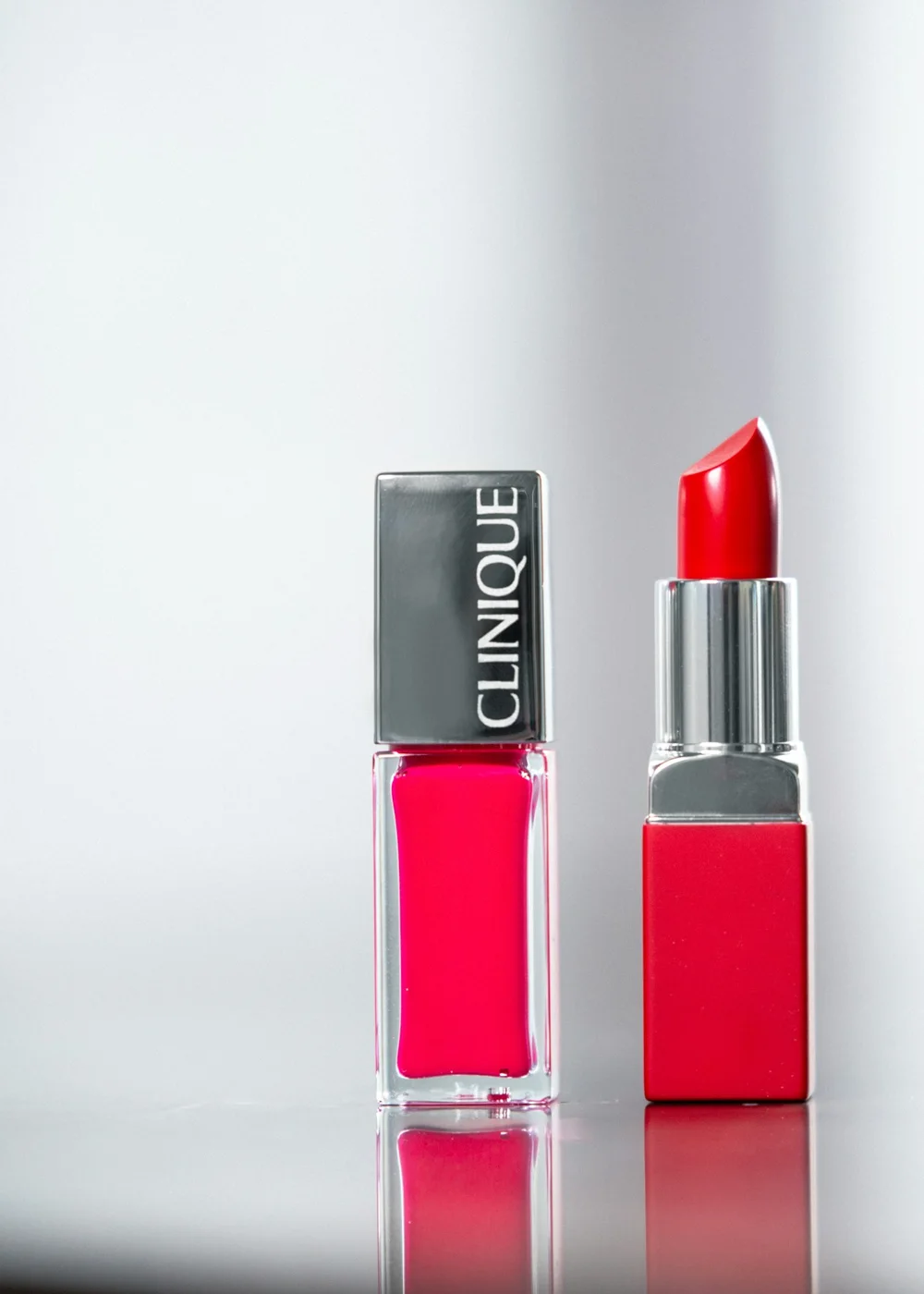
An ordinary interruption can leave a beauty routine half-finished, with products, caps and tools spread across the working area. Give the pause a clear state before moving on where it is appropriate to do so. The aim is an understood return, not a photographically neat arrangement that conceals unfinished product care.
Identify what can be paused
Follow the actual product instructions and appropriate professional guidance for any time-sensitive or suitability question. Do not assume every product or process can be interrupted in the same way. This article concerns organisation rather than advice about treatment or individual health.
If an interruption requires immediate attention elsewhere, use an appropriate course of action for the actual situation. A household sorting idea is not a rule that overrides other needs. Keep the practical decisions proportionate to what is genuinely happening.
Close components as intended
Where appropriate under the instructions, return caps and other parts to their correct containers. Keep one product's components distinct from another's. Similar appearance does not establish compatibility, and a mixed pile becomes harder to understand after leaving the room.
Do not force an unfamiliar closure to make the surface look complete. If packaging or identity is uncertain, keep that question clear and seek reliable information. Organisation should reduce ambiguity rather than hide it inside a closed-looking container.
Give tools a suitable status
Follow the tools' care guidance and distinguish pieces ready for storage from those awaiting another step. A temporary position should respect their needs and the room's actual use. Avoid treating a decorative holder as a universal answer for every stage of a routine.
Keep personal ownership clear in shared spaces. Do not use another person's pouch or working area as the default place for unfinished tools without agreement. A common surface needs an arrangement understandable to everyone using it.
Leave a clear next action
Use a simple private reminder if it helps identify what remains to be done. Name the actual object and step rather than writing finish later. The note should support memory without replacing product instructions or an appropriate suitability decision.
Keep the waiting group modest and in a suitable position. Do not allow one interrupted routine to become the permanent storage arrangement for the whole collection. A pause has an end point, even when the original plan changes.
Complete the return deliberately
When resuming, review the actual products and relevant guidance rather than assuming every step remains valid exactly as before. If the routine is abandoned, complete the appropriate care and storage tasks instead of leaving the group indefinitely between active use and put-away.
Remove the obsolete reminder once the arrangement is resolved. A useful interruption plan preserves product identity and makes unfinished tasks visible. It allows ordinary life to change the schedule without leaving a collection whose components, care status and next action have become unclear to the person returning to it.
Related reading
The Small Makeup Bag That Makes Busy Mornings Easier, Makeup Labels That Stay Clear after the Box Is Gone.
Our approach
Start with what you own, identify a real gap, then compare fit, materials, care and return terms before buying. Availability and prices can change. Read our editorial policy or send a correction.