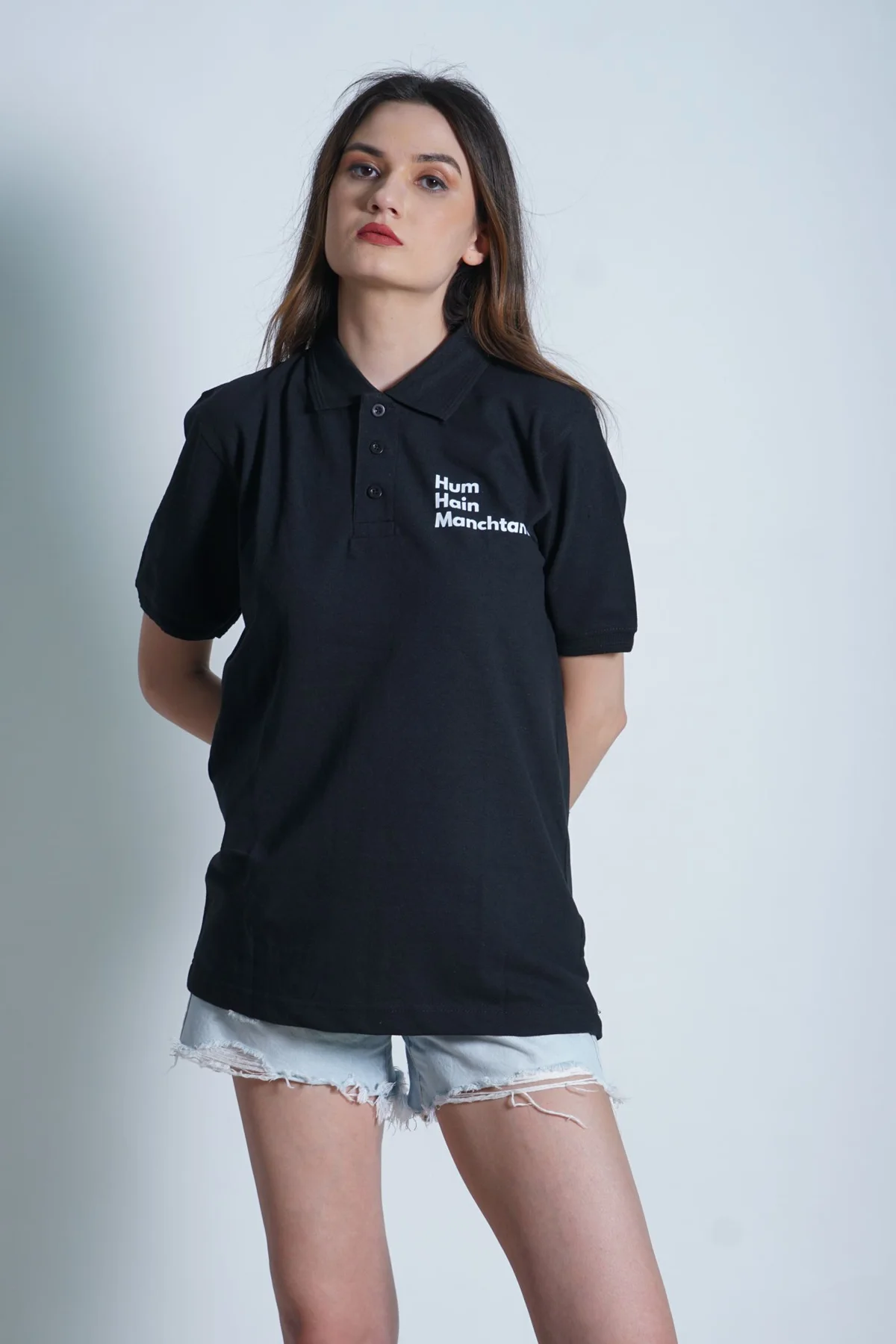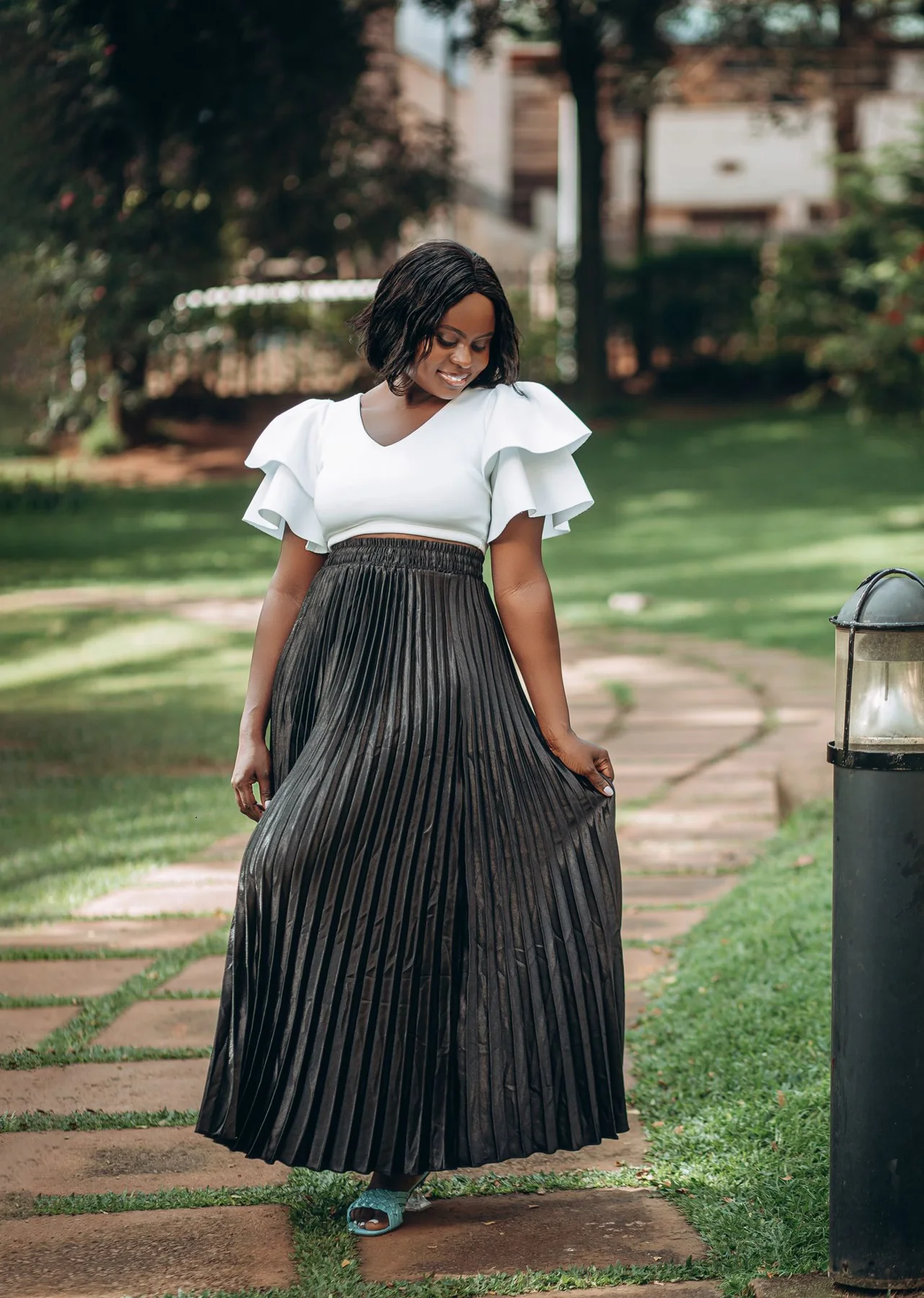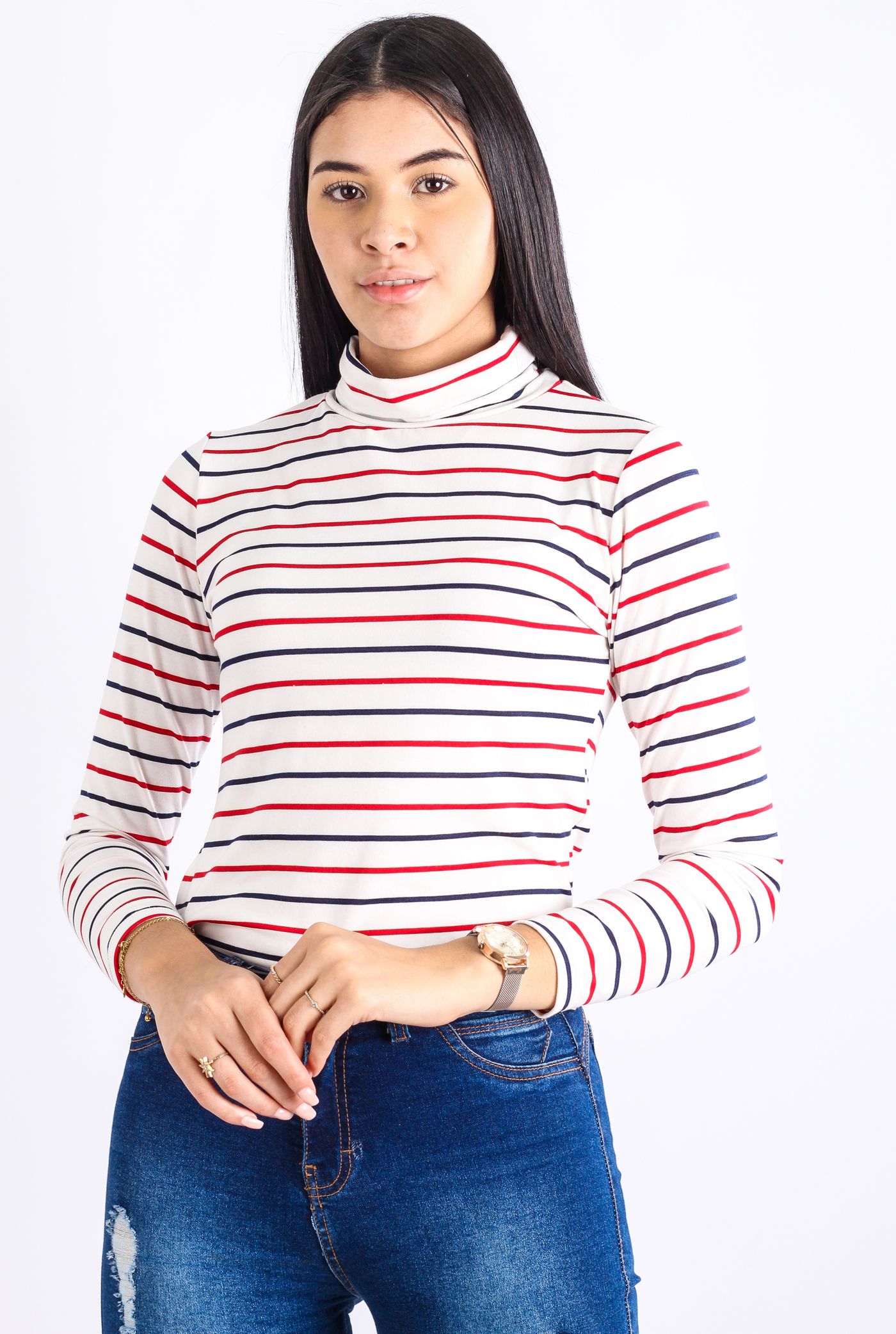
A striped top can be a useful everyday garment with enough detail already in its fabric. It does not require a nautical theme or a fixed accent colour. Start with fit and the scale enjoyed in the complete outfit. Close-up samples can look different from actual wear at normal distance. Choose comfortable real use rather than a supposed rule about the correct stripe for a particular body.
Use a familiar lower outfit
Try trousers, jeans or a skirt already comfortable, with suitable shoes. This keeps the top as the main variable and helps separate styling uncertainty from another fit issue. Exact matching is optional. The garment should connect to actual pieces rather than a list of imagined companions that must all be purchased after it arrives.
Observe normal views and light
Look from front, sides and back after moving. Fine stripes can appear quiet while broader ones remain distinct. Phone images may alter repeated patterns, so use ordinary observation as well. Decide whether the top is enjoyable in the settings where it will be worn. A visual formula should not override your own comfort or the appearance you prefer.
Test neckline and sleeves
Use intended supporting layers and reach forward. Check upper-arm ease and any pressure at the neck. Read composition and care details. A striped knit and woven shirt can need different handling. Pattern does not establish performance or easy maintenance. Choose the specific construction for its actual frequency and role instead of assuming every striped basic behaves alike.
Compare waistband positions
Try a tuck and untucked wear where suitable and check sitting. Thick fabric inside a fitted waist can add pressure; a short hem can lift when reaching. Natural folds do not make stripes wrong. Notice repeated discomfort or correction rather than trying to keep each line horizontal through all movement. An untucked arrangement can be deliberate when length and ease work together.
Layer selectively
Add the cardigan, jacket and loaded bag and check collars and sleeves together. A quiet accessory may be enough. If another pattern is enjoyable, assess which one leads at normal distance. Remove an uncertain element before buying another item merely to connect them. Practical footwear remains more useful than repeating one stripe's colour precisely.
What matters on a second-hand top?
Inspect seams, stretch and fading according to the material and design. Do not assume every repeated line must meet identically. Seek appropriate care advice when instructions are missing. The successful top fits comfortably among familiar outfits and remains manageable through laundering, adding interest without turning ordinary dressing into a complete matching theme or a set of restrictive appearance rules.
Related reading
Mixing Prints Without Turning Dressing Into Homework, A Practical Capsule Wardrobe for the Week You Actually Have.
Our approach
Start with what you own, identify a real gap, then compare fit, materials, care and return terms before buying. Availability and prices can change. Read our editorial policy or send a correction.