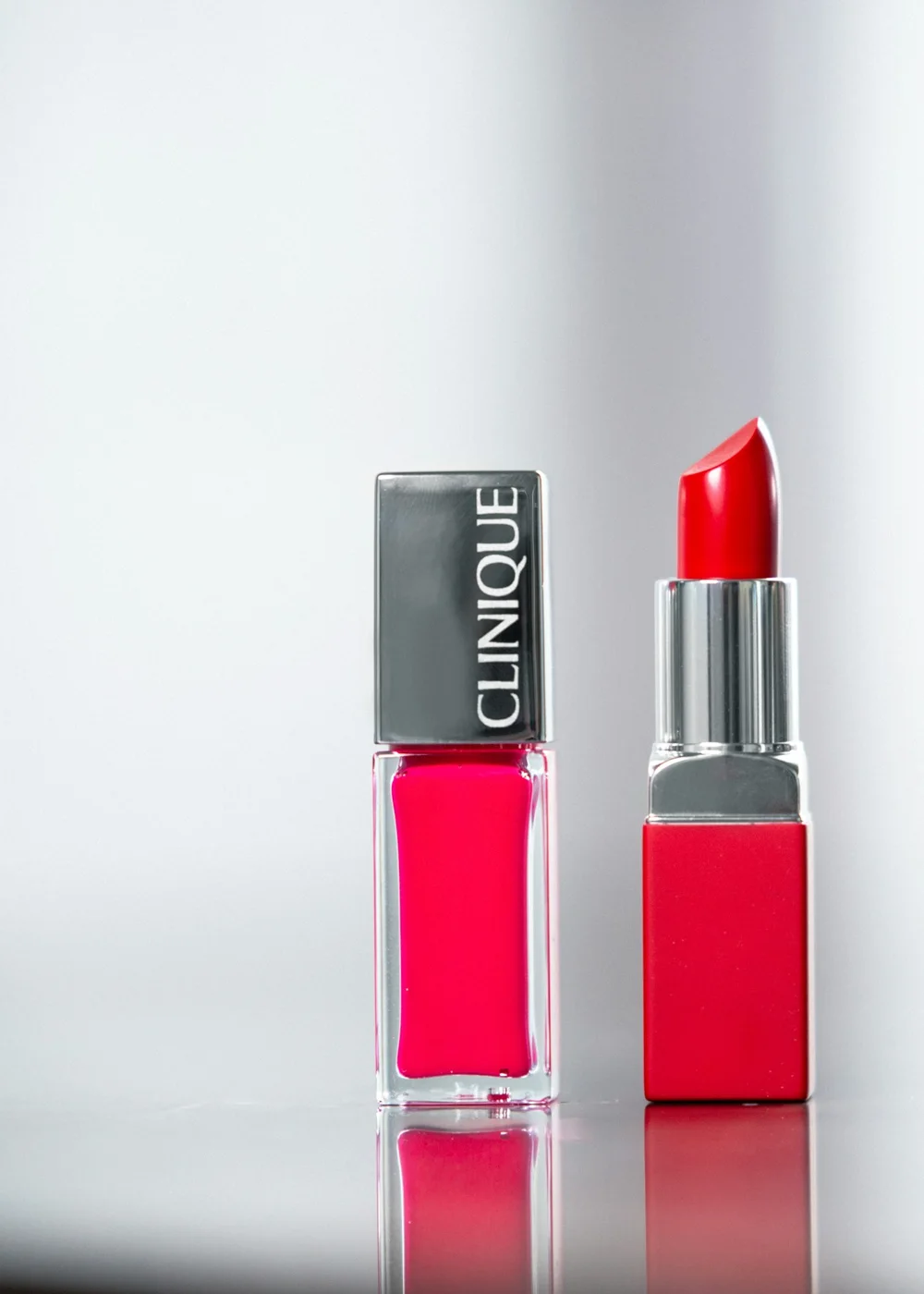
A palette can look like good variety and duplicate colours already available. Before buying, identify the actual gap in the routine. One missing shade or finish does not automatically require a large group. Compare the proposed product with the kit used now, keeping labels and intended uses clear. The useful decision adds a real role rather than another set whose most familiar colours repeat what is already preferred.
List the colours actually used
Set out suitable identified products and note the shades reached for regularly. Do not include every theoretical look as an equal need. Keep relevant product guidance available. A palette already owned may contain an unused option worth considering within its intended use. The inventory should clarify choices, not pressure you to use an unsuitable product merely because it is present.
Name the missing role
Describe what is absent in ordinary language: a particular colour direction, finish or practical format. Avoid treating a promotional colour name as proof of something different. Similar names can describe different products, while different names may appear close in your routine. Check official information and suitable real product references rather than inferring equivalence from labels alone.
Review the whole proposed format
Consider how the palette opens, how much space it occupies and whether its layout suits the way you use tools. A compact outside shape may still be awkward on a small surface. Read intended-use and care or storage guidance. Do not assume every pan can be used interchangeably for every area. The product's actual instructions determine appropriate roles, not the convenience of one large case.
Count useful additions honestly
Identify which colours are likely to serve the named gap and which mainly repeat existing choices. There is no required percentage that makes a palette worthwhile. Decide according to actual use and personal resources. Avoid imagined savings based on every shade being worn equally. A smaller product or no purchase may answer the need more directly than a larger collection.
Keep compatibility and comfort clear
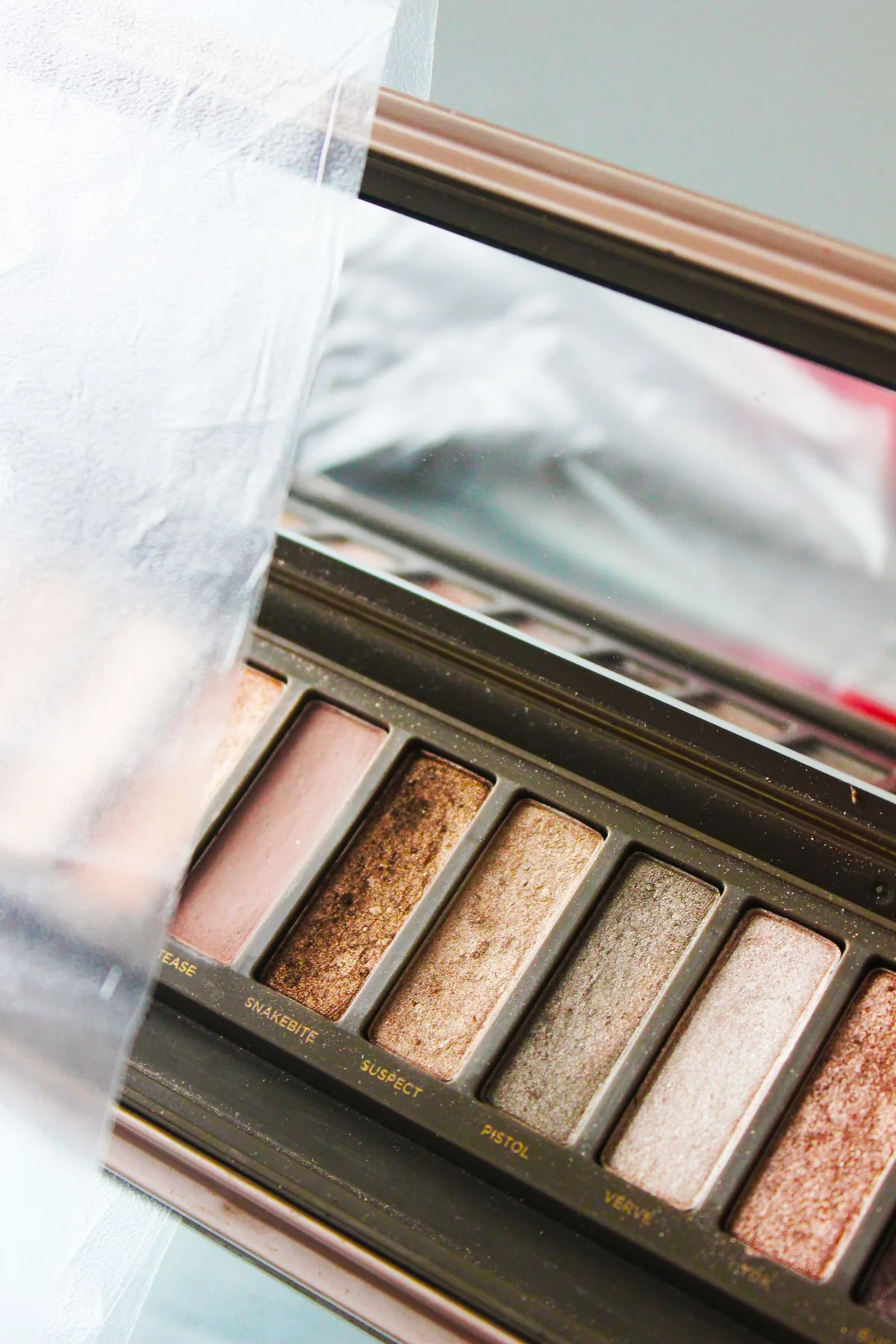
Follow product guidance and seek appropriate professional advice for relevant suitability or reaction concerns. Do not buy around an unsupported promise of universal performance. Check current official details and seller terms where they affect the decision. A photo of a palette illustrates its format but cannot establish how every shade will appear or behave for every user.
When should the purchase wait?
When the gap remains vague or most of the appeal comes from the completeness of the set. Continue with suitable familiar products and revisit a specific need later. The successful palette adds clear useful options in a manageable format, with identity and instructions available. It should make the routine easier to understand rather than expand a collection of almost-identical possibilities.
Related reading
One Useful Shade from a Palette You Already Own, A Lipstick Replacement Budget before Another Colour Purchase.
Our approach
Start with what you own, identify a real gap, then compare fit, materials, care and return terms before buying. Availability and prices can change. Read our editorial policy or send a correction.