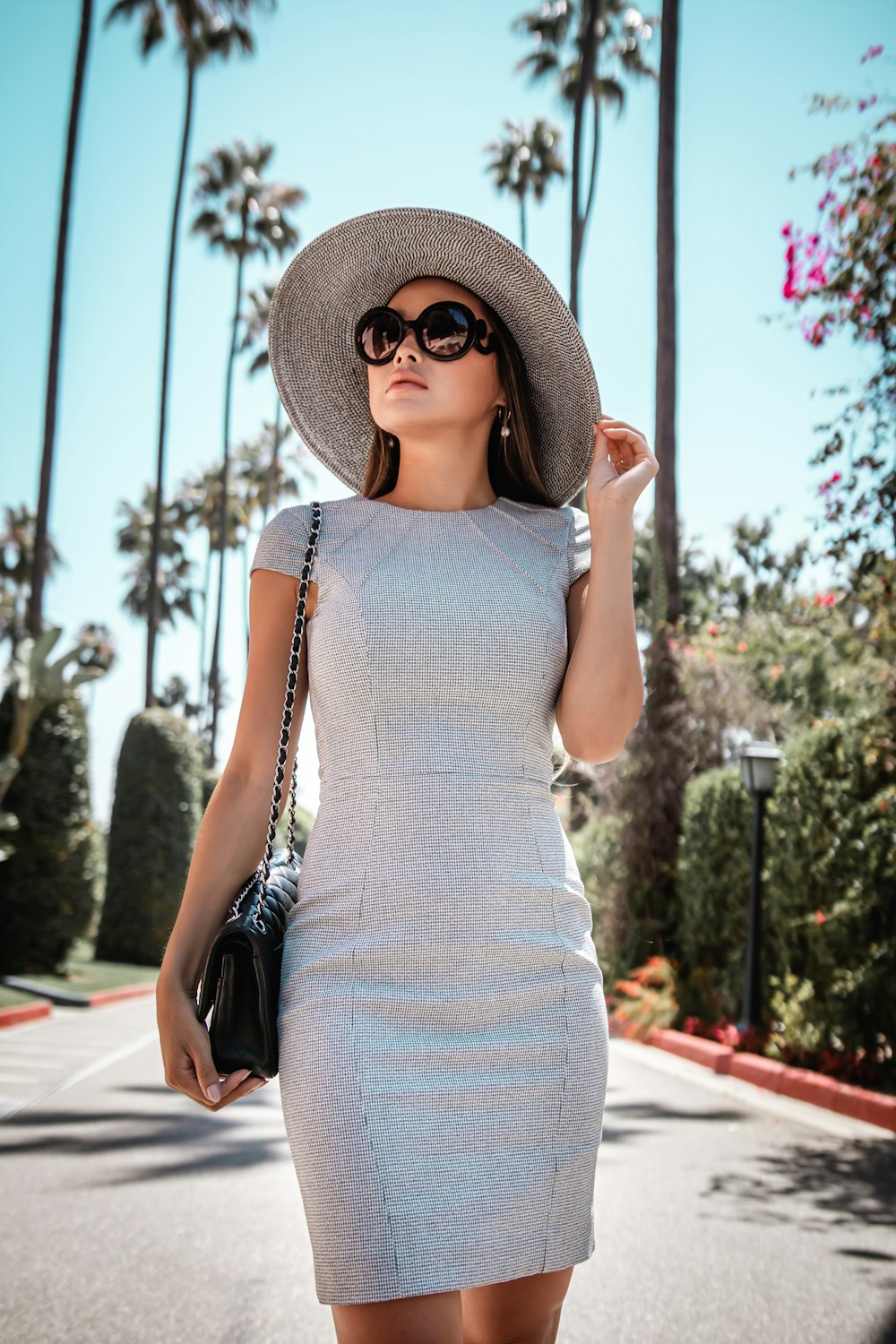
A hat and sunglasses can look like obvious companions and compete for the same space around the temples and ears. Fit them together before building an outfit around the pair. Comfort, condition and intended function matter alongside the shape. Where protection is a purpose, use reliable verified product information and appropriate guidance instead of inferring performance from dark lenses or a broad brim in a sunny picture.
Fit the separate pieces
Wear the hat naturally with the hairstyle expected for use and notice pressure or slipping. Try glasses as designed and assess contact at bridge, ears and temples. Follow maker fitting guidance and obtain suitable help for adjustments. Do not bend frames or tighten construction beyond its intended design to force a questionable fit. Both pieces should work independently before the combination is assessed.
Move with both on
Turn, look down and sit normally. Notice whether the brim presses on frames or the hat shifts when glasses are moved. Hair placement can change the relationship. A pair that works only while facing straight ahead is incomplete. Compare another familiar item where appropriate rather than planning to hold everything carefully in one position through the outing.
Include neighbouring accessories
Try earrings, scarf and collar if they are part of the outfit. Several objects near the same area can create catches or pressure. Remove an unnecessary detail before buying another piece to resolve crowding. Exact colour or finish matching is optional. The hat and glasses can already provide enough interest without an entire coordinated group around the face.
Plan taking them off
Use suitable protection for lenses and support for the hat according to guidance. A small bag may not hold a rigid case or broad brim. Avoid crushing construction merely to keep hands free. Choose a manageable temporary place in the relevant settings, respecting their arrangements and other people's access. The base outfit should remain comfortable after removal.
Inspect actual condition and claims
Check frames, lenses, adjustments and hat materials. Use maker information for function and care. A second-hand item's appearance does not establish protective performance or suitability. When relevant information is missing, choose an appropriately verified option for a protection need. Keep decoration and practical requirements clear so one appealing silhouette is not asked to answer a question it cannot establish.
Do the styles need the same mood?
No. Different shapes can work if fit and scale feel comfortable to you. Begin with familiar clothes and suitable shoes. The successful pair is easy to wear, remove and store, with each item serving its role. Its appearance follows practical compatibility instead of relying on repeated face-level adjustments to maintain an ideal photographed arrangement.
Related reading
Choose an Accessory Gift That Feels Thoughtful and Useful, Hair Accessories That Work with Coats, Glasses and Everyday Plans.
Our approach
Start with what you own, identify a real gap, then compare fit, materials, care and return terms before buying. Availability and prices can change. Read our editorial policy or send a correction.