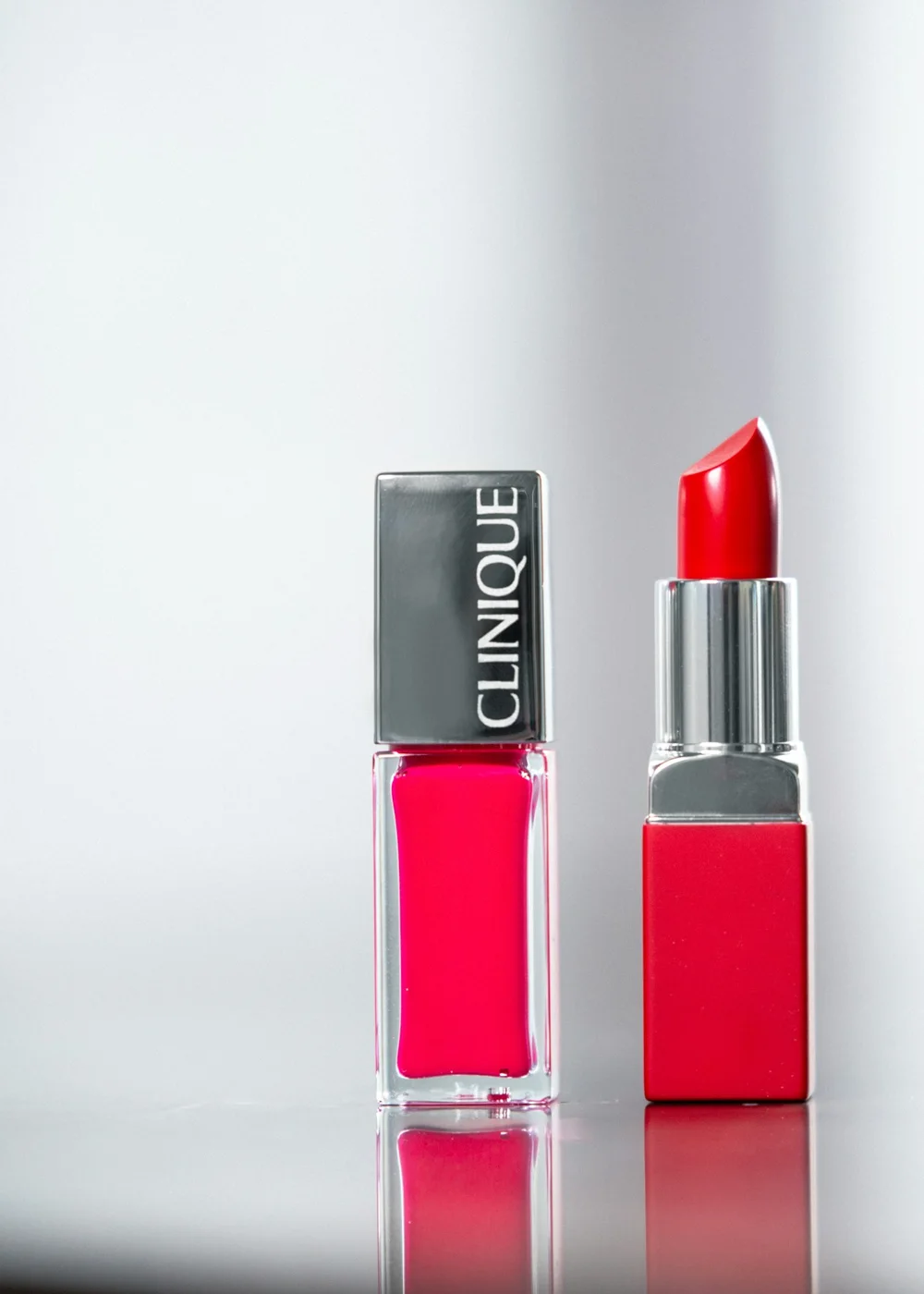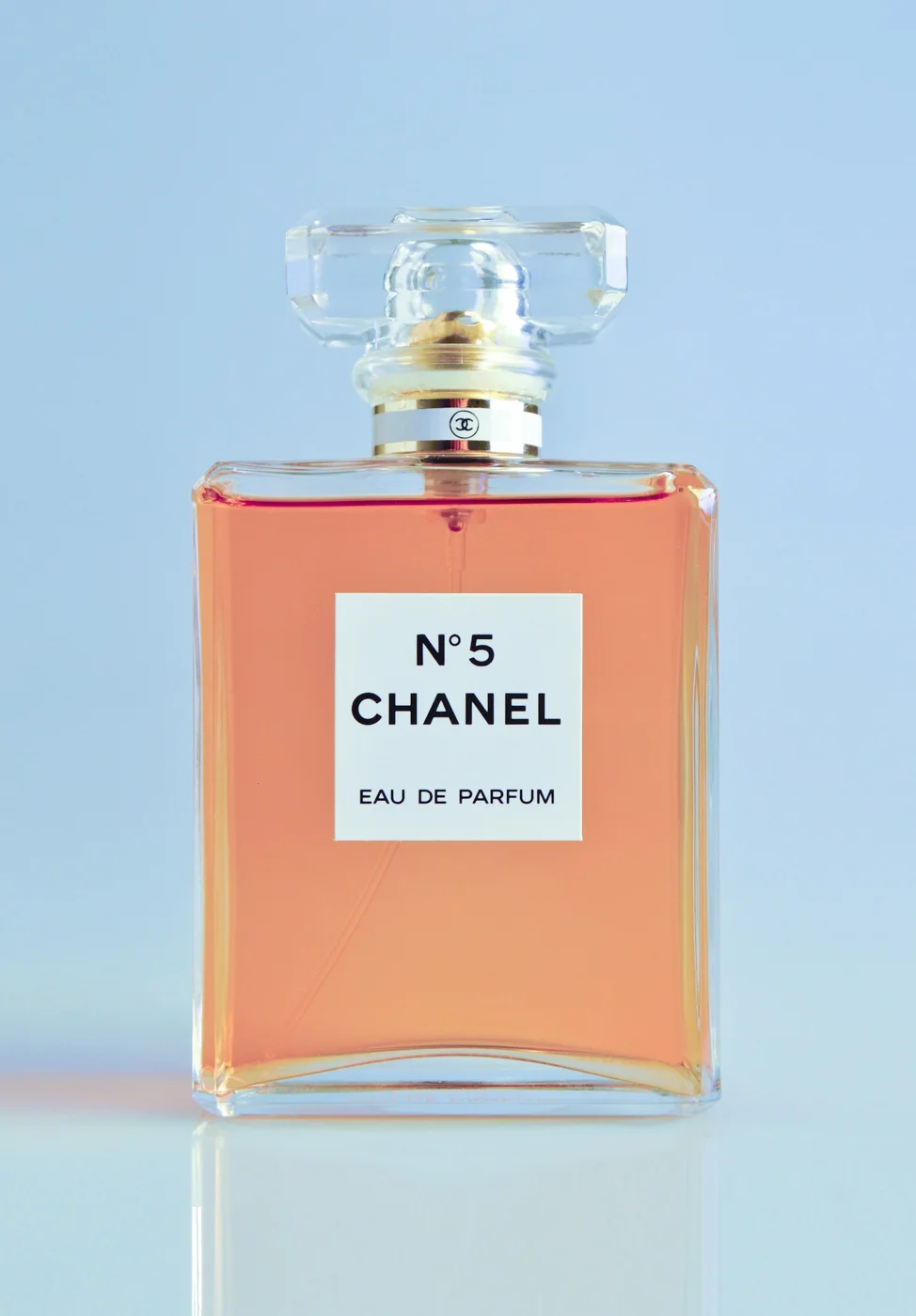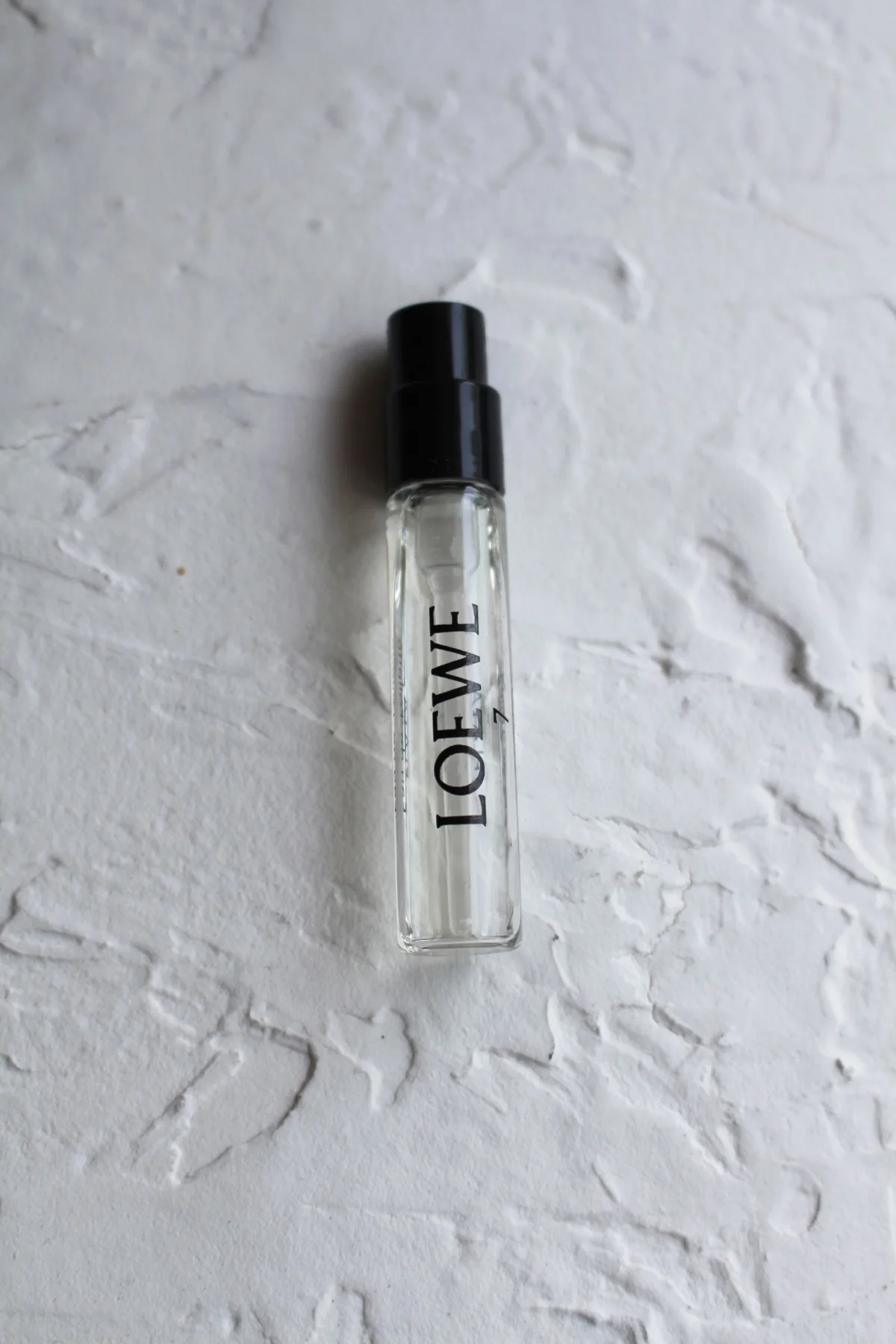
A fragrance sample can help decide whether a scent belongs in your routine without committing immediately to a full bottle. It becomes less useful when several vials lose their identity or every trial ends with an impulse purchase. Start with clear labels and a modest question. The sample should make a decision easier, not create another collection whose contents and purpose become uncertain after the original packaging is discarded.
Retain product identity
Keep the name, supplier and relevant usage or warning information available. Similar containers can be difficult to distinguish. Do not combine unidentified contents into a convenient spray. Use products as directed and seek appropriate professional advice for concerns about reactions or suitability. An organisation note is not a substitute for the product's own guidance or a way to establish that every sample suits everyone.
Define the comparison
Choose a small purpose, such as deciding whether one fragrance remains worth considering. Avoid ranking a large group at once. Select a suitable setting and respect relevant fragrance policies and other people's preferences in shared spaces. Strong immediate impact is not the only possible reason to enjoy a scent. The question should reflect the role wanted rather than a competition to identify the most noticeable option.
Write in your own words
Record the product name before a short personal impression. Follow instructions and use a manageable comparison process rather than trying several together and relying on memory. Describe what you enjoyed or found inconvenient. Borrowed promotional language is less useful than a clear individual observation. Do not turn a personal impression into an unsupported performance claim about every wearer or environment.
Note the container's practical role
A dab vial and spray involve different handling. Keep each suitably closed and stored according to guidance. Small size does not remove leakage or transport considerations. If travelling with it, check current official requirements for the journey rather than assuming samples are exempt. A trial kit should remain identified and manageable, not become a pouch of unlabelled liquids because the containers are compact.
Separate enjoyment from purchase
A favourable note does not automatically justify the largest format or a set. Consider actual use, suitable storage and personal spending limits. Check current details directly when a purchase is being considered. Avoid imagined savings from a quantity unlikely to be used. The sample has already served well when it helps decide no purchase is needed.
What should remain afterwards?
Keep only identified products with a clear appropriate role and follow relevant care or disposal guidance. Do not assemble unused samples into a guest kit without understanding their use and condition. The successful comparison leaves a readable memory and a deliberate decision, allowing one small vial to inform the routine rather than become another unresolved drawer of possibilities.
Related reading
Keeping a Fragrance Bottle Identifiable and Suitably Stored, A Lipstick Replacement Budget before Another Colour Purchase.
Our approach
Start with what you own, identify a real gap, then compare fit, materials, care and return terms before buying. Availability and prices can change. Read our editorial policy or send a correction.